
























China Strengthens Yuan Amid Greenland Dispute Impacting US Dollar

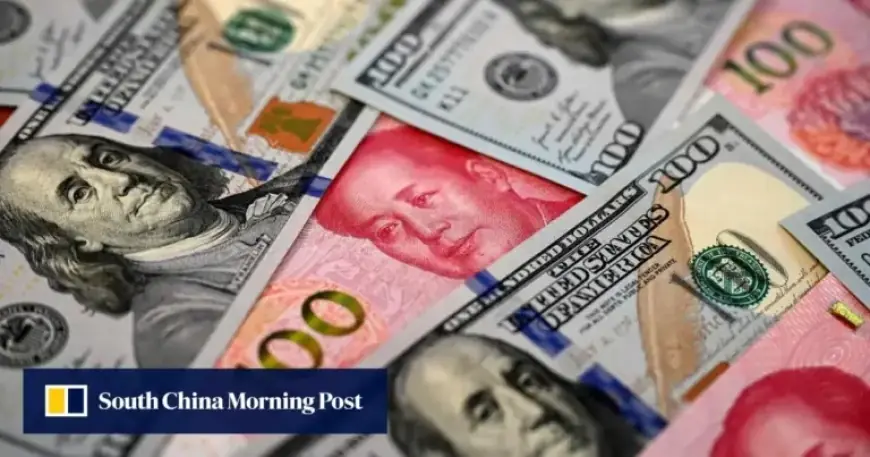
China’s central bank has taken significant steps to strengthen the yuan, marking a notable shift in currency dynamics. For the first time since May 2023, the yuan’s daily fixing rate has surpassed the key psychological threshold of 7 per US dollar. This adjustment comes as the US dollar shows signs of weakness, particularly in the wake of geopolitical tensions surrounding Greenland.
Yuan Strengthening and Market Reactions
On Friday, the People’s Bank of China (PBoC) set the yuan’s midpoint rate at 6.9929 against the US dollar. This adjustment follows a period where the rate hovered just below the 7 mark. The recent changes align with a decrease in confidence toward US dollar assets, primarily due to US political maneuvers.
- The yuan’s fixing rate on Friday was 6.9929 to the US dollar.
- The US dollar index dropped from 99.45 to 98.27 before recovering slightly to 98.37.
- The offshore yuan was valued around 6.96 to the US dollar by late Friday morning.
US Political Influence on Currency
Concerns over the US administration’s approach to Greenland contributed to the dollar’s decline. Former President Donald Trump’s threats to impose tariffs on eight European nations highlighted these tensions. He suggested that control over Greenland should be an objective for the US, which sparked significant backlash.
Even though Trump later retracted these remarks during the World Economic Forum in Davos, the fallout affected investment behavior. Some European institutional investors began reducing their US Treasury holdings, leading to discussions about potential “weaponisation” of US dollar assets.
Market Outlook
As the yuan continues to gain strength, its future trajectory remains a topic of interest among financial analysts. The PBoC’s strategy appears to be designed to bolster market confidence in the yuan amidst fluctuating global economic conditions.
In summary, China’s actions to strengthen the yuan come at a critical time, influenced by political developments and shifting investor sentiments regarding the US dollar.