




















Judge in Bediako vs. NCAA Case, Jim Roberts, is Alabama Athletics Donor

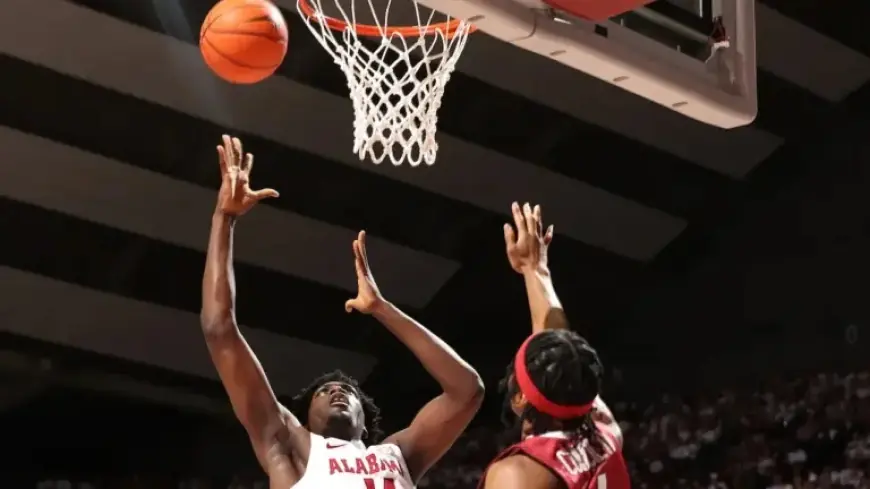
The ongoing legal landscape of college athletics has intensified recently, particularly illustrated by the case of Charles Bediako and the NCAA. This case has drawn attention due to the involvement of Judge Jim Roberts, a significant donor to the University of Alabama athletics program.
Judge Jim Roberts’ Role in Bediako vs. NCAA Case
Tuscaloosa County Circuit Judge Jim Roberts granted a temporary restraining order that allows Charles Bediako, a former Alabama basketball player, to play again for the Crimson Tide. This decision came just before a January 27 hearing concerning Bediako’s full reinstatement of athletic eligibility.
Judge’s Background and Contributions
- Jim Roberts is listed as a donor on The Crimson Tide Foundation’s website.
- His lifetime contributions range between $100,000 and $249,999.
- Roberts has been a Sixth Circuit Court judge since 2011.
- He was appointed by former Governor Robert Bentley.
- Before his judicial position, he practiced as a local attorney in Tuscaloosa.
Roberts obtained his undergraduate degree from the University of South Florida and earned his law degree in 1994 from Samford University’s Cumberland School of Law. His legal background includes representation of notable figures, such as Alabama football player Jimmy Johns in 2008.
Context of the Bediako Case
Charles Bediako declared for the professional league in 2023 but did not play in the NBA. Now, he is expected to suit up for the Crimson Tide against Tennessee in an upcoming game. This situation is not unique; shifting dynamics in college sports have led to increased litigations around eligibility and NIL contracts.
Legal Implications and Conflicts of Interest
The rise in lawsuits related to college athletics has raised questions about potential conflicts of interest. For example, a judge in North Carolina recused himself from a case involving Duke University and player Darian Mensah due to his personal ties to the university.
The American Bar Association advises that judges should disqualify themselves if their impartiality can reasonably be questioned or if they possess personal biases regarding any parties involved in a case.
Ongoing Cases and Future Developments
Other cases demonstrate similar scenarios; for instance, Mississippi quarterback Trinidad Chambliss filed a lawsuit seeking an extra year of eligibility under Judge Robert Whitwell, a University of Mississippi law graduate. These instances illustrate the intricate relationship between athletic eligibility and the legal system.
Judge Jim Roberts’ ruling in the Bediako case highlights the complexities of the current legal framework in college sports and the potential implications for athletes and institutions alike.