Oil Price Today: G7 Says It Will Act — But Can Stockpiles Calm Markets?

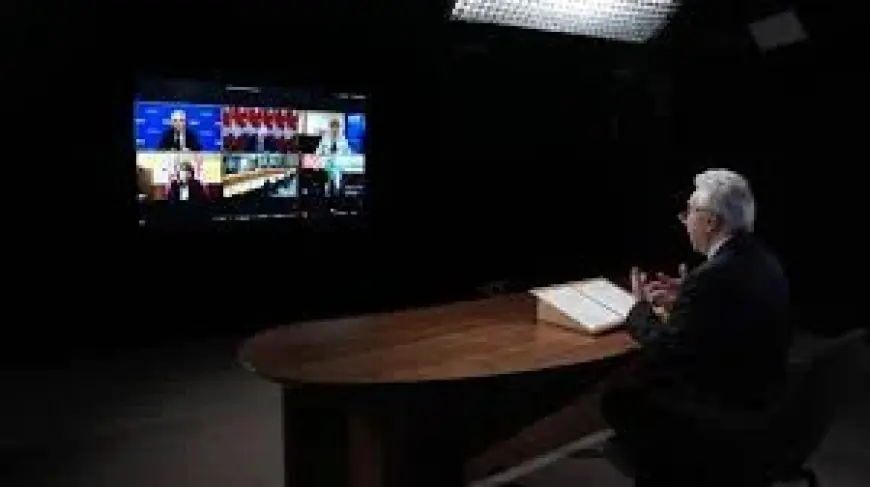
The oil price today shot to nearly $120 a barrel as a new phase of military action and targeted strikes around Iranian infrastructure rattled markets. G7 finance ministers, meeting with the International Energy Agency (IEA), concluded a virtual session without agreeing to release strategic crude reserves, saying only that they “stand ready to take necessary measures” to support global energy supplies. The impasse leaves markets watching both diplomatic signals and the whereabouts of more than 1. 8 billion barrels of emergency and obligated industry stocks.
Background & Context: Supply chokepoints, strikes and halted transit
The meeting took place against a backdrop of intensified military activity. US and Israeli airstrikes struck targets in Iran, including oil depots, while Iran targeted energy infrastructure in neighbouring Gulf states. The narrow maritime route through the Strait of Hormuz—typically accounting for about a fifth of the world’s oil shipments—has seen traffic all but halt since the conflict intensified. Saudi authorities intercepted and destroyed two waves of drones heading towards a major oilfield, underscoring the risk to production and shipment.
Fatih Birol, head of the International Energy Agency, said global oil markets “have deteriorated in recent days” and warned that “a substantial amount of oil production has been curtailed, ” adding that these developments create “significant and growing risks for the market. ” The IEA holds data showing IEA member countries keep over 1. 2 billion barrels of public emergency oil stocks, with a further 600 million barrels of industry stocks held under government obligation.
Oil Price Today: Market Mechanics and Options
With an oil price today spike driven by fear of sustained disruption, market attention has turned to whether coordinated releases of strategic reserves could blunt the shock. G7 ministers discussed stockpile release as one of several measures, but no consensus to open strategic crude reserves was reached at this session. French Finance Minister Roland Lescure said the group was “not there yet” on a collective release of emergency stocks, leaving open whether member governments will move from readiness to action.
Those reserves represent a substantial, though finite, buffer: the IEA numbers cited in the meeting point to more than 1. 8 billion barrels in combined public and obliged industry holdings. How quickly, and in what volume, these could be mobilized remains a policy and logistical question. Economists and market participants are also alert to knock-on effects: major disruption to energy supplies could push consumer and business prices higher, and rising inflation could lead to fewer interest rate cuts by central banks.
Expert Perspectives and Regional Implications
Fatih Birol framed the immediate market challenge in technical terms—transit disruption and curtailed production—while stressing the urgency of the situation. French Finance Minister Roland Lescure emphasised the unresolved nature of a coordinated release, saying “we are not there yet. ” Chancellor Rachel Reeves said the UK used the meeting to call for “immediate de-escalation” in the region and to guarantee shipping security; she added she was “ready to support a co-ordinated release of collective IEA oil reserves. ” These statements signal political willingness but stop short of operational commitments.
Regionally, the mix of direct strikes on oil facilities and the near-halt of Strait of Hormuz traffic creates a dual risk: physical damage to production and a bottleneck in distribution. The combination is precisely what the IEA and ministers warned could drive prices higher if disruptions persist. Any decision on reserve release will weigh the size of available stocks against uncertainty over how long production and transit constraints will last.
The meeting’s outcome—readiness without immediate action—shifts the burden back to diplomatic channels and military de-escalation to restore normal flows. Markets remain volatile while policymakers deliberate on whether to convert readiness into coordinated releases from the more than 1. 8 billion barrels noted by the IEA.
Will a coordinated unlocking of reserves be enough to steady the oil price today if hostilities continue, or will a longer supply interruption force deeper adjustments to global energy and financial policy?