
























Enjoy $800 Annual Savings with Three Hours of Free Solar Energy

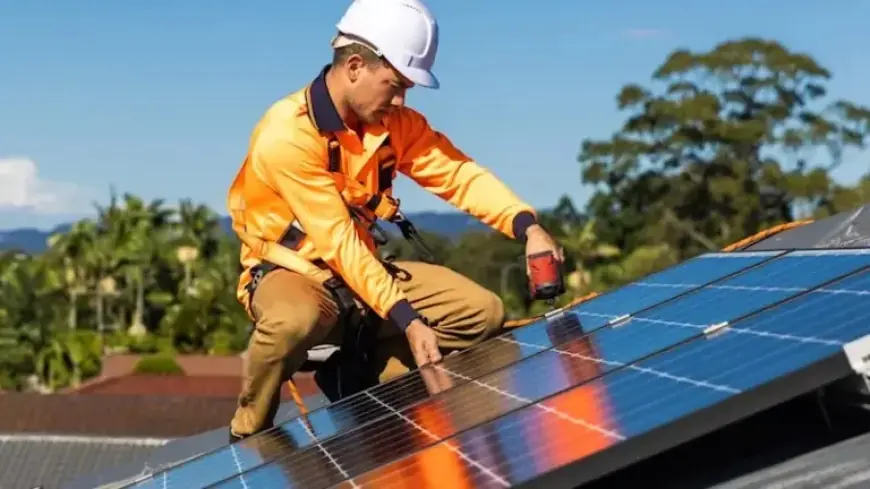
The Albanese government is introducing a new energy savings initiative to help households significantly reduce their electricity bills. Starting July 1, 2026, families can potentially save up to $800 annually by utilizing three hours of free solar energy in the afternoons, a move aimed at promoting the use of renewable energy sources.
Overview of the Solar Sharer Scheme
The Solar Sharer scheme will allow electricity retailers to offer free power during peak solar generation times. The initiative is designed for customers without solar panels or home batteries, ensuring that benefits from solar energy reach a wider audience.
Key Benefits
- Potential savings of $550 to $800 for families who can adjust their energy usage.
- Reductions in average energy bills, which range from $1,600 to $2,000 in major cities like Melbourne and Sydney.
- Encourages energy consumption during midday solar peaks, reducing reliance on fossil fuels.
Implementation and Market Response
Energy Minister Chris Bowen highlighted that families with appliances like dishwashers and washing machines can schedule their usage during these free hours. Research indicates that households can save considerable amounts by shifting 10 to 30 percent of their energy consumption to the designated free period.
Expected Savings
| Household Size | Estimated Savings |
|---|---|
| 1-person | $150-$300 |
| 5-person | $400-$790 |
The government is determined to ease energy costs following criticism about rising bills since its election in 2022. The feedback includes calls from retailers who express concerns that the scheme may favor wealthier customers who can invest in battery systems and electric vehicles.
Future Expansion of the Scheme
Initially, the program will cover New South Wales, South Australia, and southeast Queensland, with plans to expand to other regions by 2027. The Victorian government is also exploring a similar initiative to promote cleaner energy choices.
This proactive approach aims to balance energy supply and demand, potentially transforming the energy landscape for Australian families while also addressing environmental objectives through clean energy utilization.