

























Why TV Shows Are Getting Dumber: Unveiling the Real Reason

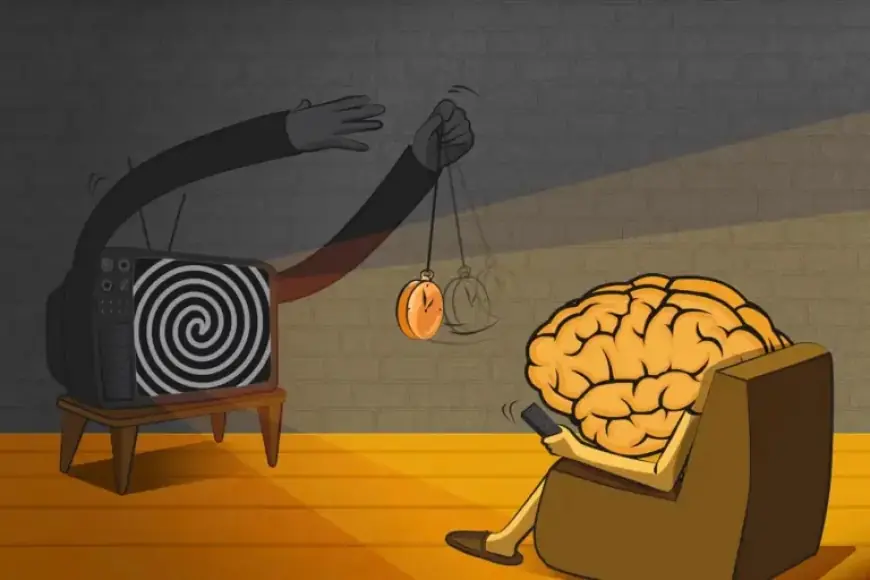
Recent conversations surrounding the evolution of television have led to a thought-provoking question: Are TV shows getting dumber? As attention spans dwindle, the industry adapts by catering to audiences who engage in multitasking, often distracted by their phones while watching. Prominent figures Ben Affleck and Matt Damon have shed light on this trend while promoting their Netflix film, “The Rip.”
Accommodating the Distracted Viewer
During interviews, Affleck and Damon discussed how creators are encouraged to modify their storytelling. They highlighted a notable suggestion from Netflix that scripts should reiterate crucial plot points multiple times. Affleck noted, “It wouldn’t be terrible if you reiterated the plot three or four times in the dialogue,” recognizing the shift in storytelling requirements to accommodate viewers preoccupied with social media.
Repetitive Dialogue and Viewer Engagement
This pattern of reiteration impacts the viewing experience, especially for audiences seeking depth and engagement. While some repetitive content may be unintentional, a noticeable trend suggests a deliberate strategy to cater to passive viewers. Unlike films where directors generally maintain more creative control, television scripts often face such impositions.
Regression in Television Quality
The current landscape suggests a decline in the sophistication of TV storytelling. David Simon’s acclaimed series “The Wire” set a high bar for narrative complexity. Despite its success, few subsequent shows have achieved similar depth. Classics like “The Sopranos” and “Deadwood” excelled in intricate storytelling, a trait conspicuously missing in many contemporary productions.
Impact of Social Media on Storytelling
Modern shows, such as “Succession,” are well-crafted but lean towards simpler narratives. The obsession with meme-able moments reflects a broader cultural shift, where creators prioritize shareable content over intricate storytelling. While “Succession” delivers engaging characters, it simplifies its overarching themes, focusing on the internet’s trending discussions.
Cultural References and Accessibility
- Older shows like “Cheers” included diverse cultural references, showcasing a deeper assumed knowledge from viewers.
- Today’s television often shies away from complex allusions, prioritizing accessibility instead.
- This shift reflects a broader change in our culture, as shared references have become fragmented.
Creators now aim to ensure no viewer feels left behind, leading to content that is increasingly insular. This trend results in a lack of adventurous storytelling, where complex themes are often sacrificed for a broader appeal.
Exceptions to the Trend
Despite these issues, some series continue to challenge this narrative. Ben Affleck and Matt Damon mentioned “Adolescence” as an example of uncompromised storytelling within the Netflix lineup. Similarly, shows like “Pluribus” and “The Chair Company” have found audiences without diluting their artistic expression.
The Future of Television
Ultimately, catering to uninterested viewers may not yield long-term benefits for the industry. As the landscape shifts, it remains vital for creators to pursue intelligent storytelling rather than defaulting to simplistic narratives. With hope, decision-makers in television will recognize the importance of producing content that engages viewers without compromising quality.