US Intelligence Reports Iran Government Stable, Sources Confirm

Recent U.S. intelligence assessments indicate that the Iranian government remains stable and faces no imminent risk of collapse. These findings come amid extensive military operations by the U.S. and Israel targeting various Iranian entities, including military and nuclear sites.
Key Findings from U.S. Intelligence Reports
Multiple intelligence reports confirm that Iran’s leadership continues to maintain control over the public. According to anonymous sources, the regime has displayed considerable cohesion, even following the death of Supreme Leader Ayatollah Ali Khamenei on February 28. The intelligence suggests that the Islamic Revolutionary Guard Corps (IRGC) and interim leaders have remained effective in governing the nation.
- Iran’s political stability remains intact despite external pressures.
- The IRGC, a crucial component of Iran’s military apparatus, retains significant influence.
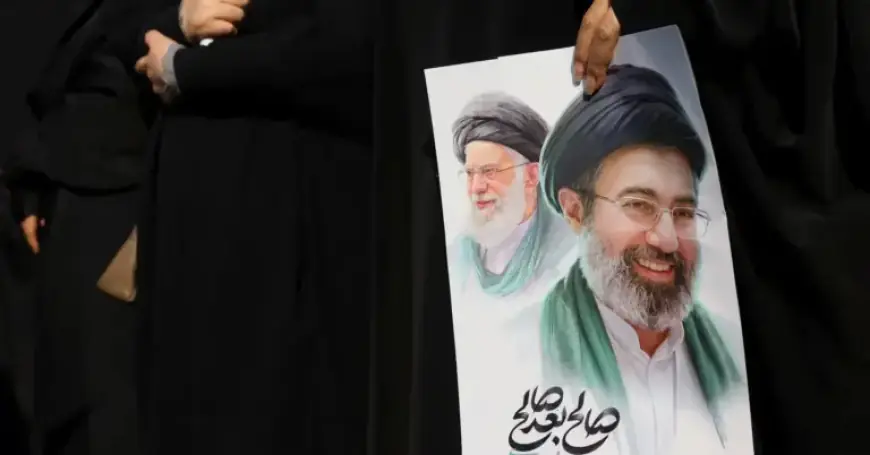
- The Assembly of Experts appointed Khamenei’s son, Mojtaba, as the new supreme leader after his death.
The Military Campaign and Its Objectives
Since the beginning of military operations, U.S. and Israeli forces have targeted key Iranian infrastructures. This includes air defenses and senior leadership. However, the stated goals of these military actions have evolved. Initial calls encouraged Iranians to rebel against their government. Yet, official sources later clarified that regime change is not the primary objective.
Challenges Facing Iranian Kurdish Militias
Further complicating the situation is the ongoing engagement of Iranian Kurdish militias in Iraq. There have been discussions regarding a potential armed push against Iranian security forces. Despite claims of high organization and readiness for combat, recent intelligence casts doubt on the ability of these groups to mount an effective challenge due to insufficient firepower and manpower.
- Kurdish factions are organized but reportedly lack necessary military resources.
- U.S. support has been requested, including weapons and armored vehicles.
- The Kurdish Regional Government has not provided a comment on this situation.
Implications for Future U.S.-Iran Relations
The continuity of Iran’s leadership may pose significant challenges for U.S. military goals in the region. Analysts suggest that a complete shift in power would likely require substantial ground involvement, allowing for safe protests within Iran. However, the Biden administration has indicated there are no current plans to deploy troops into Iran.
As the situation evolves, it remains critical to monitor U.S. intelligence reports on Iran’s stability. The dynamic nature of the conflict suggests that conditions could change rapidly, impacting both regional and global geopolitics.