Linda Campitelli case arrest in Miami points to slower, deeper digital casework

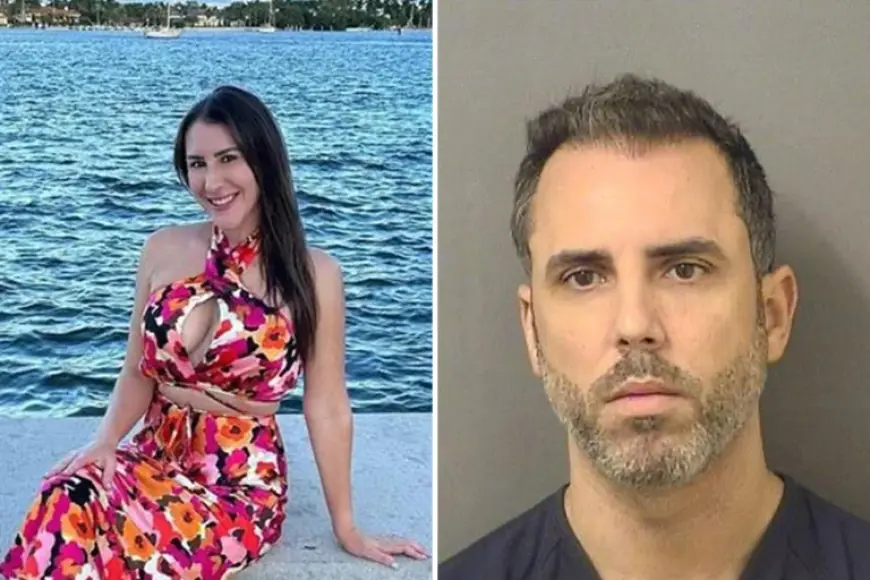
linda campitelli was killed in October 2024, and Rene Perez, 38, has now been arrested in Miami and charged with first-degree murder and tampering with evidence. The newly detailed probable cause narrative signals a trajectory in which investigators lean heavily on messaging records, surveillance footage, and cell phone data to build cases long after the night of violence.
Rene Perez and Linda Campitelli: what is confirmed in court records now
Perez, 38, faces a first-degree murder charge in the death of Linda Campitelli, along with a charge of tampering with physical evidence. Authorities also list deadly weapon and tampering with evidence charges in connection with the alleged attack. After his arrest Tuesday in Miami, Perez was transported to Palm Beach County Jail and is being held without bond.
Perez made a first appearance in Palm Beach County court on Wednesday. The probable cause affidavit describes a romantic relationship between Perez and Campitelli, with both described as married. The affidavit also states they had communicated WhatsApp almost daily and had been involved in the relationship for approximately two years.
The records lay out a specific timeline for Oct. 28, 2024, the night Campitelli was killed. Campitelli and Perez were planning to meet for her belated birthday celebration. Investigators determined Campitelli’s Chevrolet Tahoe arrived at the Retina Group of Florida Building in Wellington, a location described as isolated, where Perez had previously worked.
WhatsApp, surveillance cameras, and cell phone data in the Palm Beach County investigation
Multiple strands of digital and physical evidence appear repeatedly in the affidavit. WhatsApp messages show the two communicated the day before the killing, including Campitelli writing, “I LOVE YOU, I FEEL KINDA WEIRD. I DON’T KNOW WHAT TO EXPECT TOMORROW. YOU’VE NEVER DONE ANYTHING LIKE THIS FOR ME BEFORE AND I FEEL A LITTLE NERVOUS. ” Perez responded in a way described as trying to show his romantic side.
Surveillance footage from Oct. 28 shows the Tahoe arriving at the Wellington location and later departing at around 9: 59 p. m. A photo recovered from Campitelli’s phone shows the back of the Tahoe with a “Happy Birthday” blanket and Ultrasorb medical sheets, with the rear seats laid flat. The affidavit states the medical sheets were the same kind used at Delray Medical Center, where Perez worked.
Investigators also cite forensic findings: DNA analysis confirmed blood at the scene and in the Tahoe was Campitelli’s. Her Apple Watch was found near the center console with blood on both sides. Deputies found Campitelli’s body along the 6100 block of Lyons Road, 50 feet away from the Tahoe. When deputies arrived, the Tahoe was still running and the front driver’s side tire was flat, a detail the affidavit frames as suggesting the vehicle was purposely disabled.
Surveillance later captured Perez going to Delray Medical Center and discarding something in the trash near the doctor’s entrance before driving to his residence. Investigators also state Perez purchased and used a secret prepaid phone. Perez told detectives he canceled the Oct. 28, 2024 meeting, but the affidavit notes there were no WhatsApp or text messages supporting that claim.
Captain Michael Ott and the signal of longer timelines for case-building
A central signal in this case is the time and scale of investigative work described by Captain Michael Ott of the Violent Crimes Division. Ott said detectives interviewed “countless” witnesses, authored more than 50 search warrants, and analyzed “hundreds and hundreds” of hours of cell phone data. He added that a crucial piece of cell phone data connected to Perez had not been identified until recently.
That combination of extensive warrants and prolonged phone-data review points toward a visible direction: the case record emphasizes layered, technology-driven reconstruction rather than a single decisive break. The affidavit leans on a chain that includes WhatsApp message timing, surveillance movement, a photo recovered from a phone, and DNA confirmation of blood at both the scene and inside the Tahoe.
Based on context data
- Messaging: WhatsApp communications described as nearly daily, including the day before Oct. 28, 2024.
- Video: Surveillance showing the Tahoe at the Wellington location and later departing around 9: 59 p. m.
- Device evidence: Campitelli’s Apple Watch found with blood on both sides.
- Forensics: DNA analysis confirming blood at the scene and in the Tahoe was Campitelli’s.
- Data workload: More than 50 search warrants and “hundreds and hundreds” of hours of cell phone analysis.
If the current emphasis on digital reconstruction continues… future steps in this prosecution may hinge on additional returns from already-described methods: further parsing of the secret prepaid phone use, deeper timelines drawn from “hundreds and hundreds” of hours of cell phone data, and the interpretation of surveillance sequences cited in the affidavit. The context already shows the investigation tying together multiple sources rather than relying on a single witness account.
Should the newly identified piece of cell phone data prove pivotal in court… the prosecution’s near-term trajectory could tighten around that element, especially given Ott’s statement that it had not been identified until recently. That would reinforce a pattern visible in the affidavit itself: incremental data discoveries changing the pace and shape of a case even after an arrest.
The next confirmed milestone in the record is Perez’s initial movement through the court system after his Wednesday first appearance in Palm Beach County. What the context does not resolve is what that “crucial piece” of cell phone data specifically contains, leaving uncertainty about which detail will carry the most weight as the case proceeds.