Trump’s Conflict with Iran Hinders GOP’s Desired Economic Shift

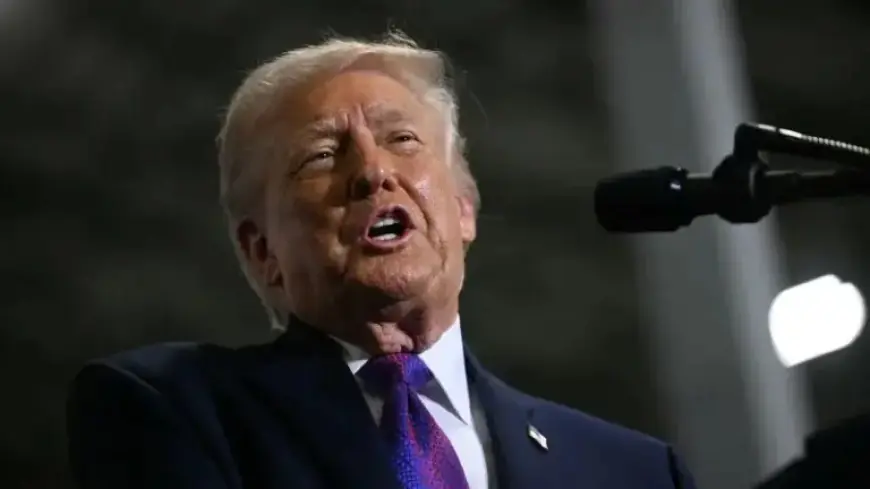
President Donald Trump is currently navigating the complex political landscape shaped by the ongoing conflict in the Middle East. His recent tour included stops in Cincinnati, Ohio, and a logistics facility in Kentucky. This marked his first public engagement with supporters since the conflict escalated.
Trump’s Economic Shift Complicated by War
As Trump attempts to pivot toward domestic economic issues, rising oil prices have posed a significant challenge. The escalation of conflict has led to a noteworthy increase in gas prices, undermining a key component of his economic message. Investors have reacted to the uncertainty, causing fluctuations in the stock market, which Trump often cites as a measure of his administration’s success.
On Wednesday, Trump credited an international agreement to release oil reserves, aimed at stabilizing energy prices. The U.S. Department of Energy announced it will release 172 million barrels of oil from the Strategic Petroleum Reserve within the coming week.
Costs of Military Engagement
Trump has repeatedly emphasized the need to maintain focus on finishing the military objectives, which include neutralizing threats from Iran. Reports indicate that the Pentagon has estimated the conflict’s initial costs at $11 billion within just the first six days. Despite Trump’s claims of quick victories, there is growing concern among Republicans, particularly those up for reelection, about the potential perception of a prolonged engagement.
- Oil Prices: Increased due to conflict
- Market Instability: Investors show concern
- Military Costs: Estimated at $11 billion in six days
- Oil Release: 172 million barrels planned
Clarifying Objectives and Messaging
The Trump administration is under pressure to provide clear messaging regarding the conflict’s objectives and expected outcomes. Allies have noted the importance of distinguishing this engagement from previous long-term military efforts in Iraq and Afghanistan. They assert that the administration should avoid committing to public timelines that could create further uncertainty.
Trump has hinted that the conflict might conclude sooner than expected, despite earlier indications it could last over a month. This inconsistency has raised alarms and sparked discussions among his advisers regarding the need for a cohesive strategy that resonates with the American public.
Internal Party Dynamics
Within the Republican Party, opinions remain divided. Some party members advocate for a robust military response while others express skepticism about continuing involvement in the conflict. Representative Thomas Massie of Kentucky has publicly questioned the justifications for engagement, prompting a sharp rebuke from Trump during his speech. Trump believes that addressing the Iranian nuclear threat could ultimately gain public support, even if the long-term objectives remain contentious.
Steering clear of a potential “forever war” narrative is a key focus for Trump’s communication team. White House Press Secretary Karoline Leavitt emphasized that the objectives of Operation Epic Fury have been clearly presented, despite critics suggesting mixed messaging.
Looking Ahead
As the conflict progresses, Trump’s administration grapples with the dual challenges of military strategy and domestic economic messaging. The upcoming midterm elections add urgency to these dynamics. Trump remains confident about achieving success in the conflict, often reiterating his commitment to seeing it through. The response from the American public and the implications on the GOP’s future remain to be seen.