

























Key Insights from Supreme Court Hearing on Trump’s Dismissal of Lisa Cook

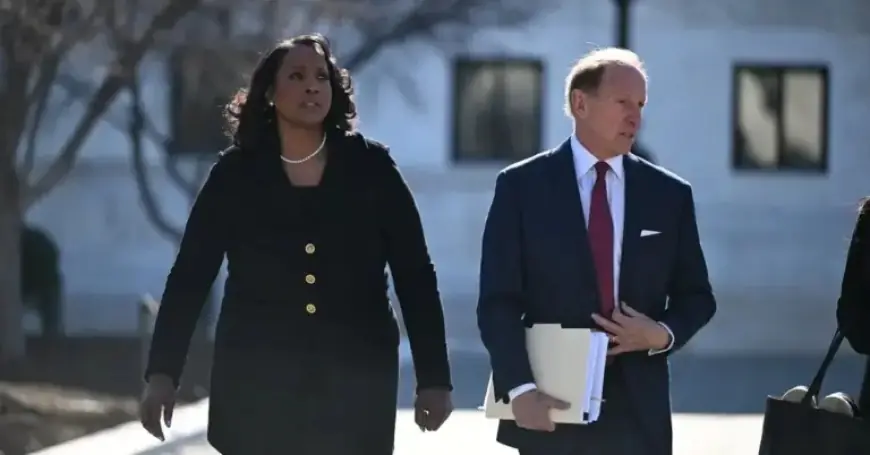
The Supreme Court recently hosted a two-hour hearing regarding the effort to remove Lisa D. Cook, a Federal Reserve governor appointed by President Trump. This case centers on allegations of mortgage fraud against Ms. Cook, which she denies. The court appeared inclined to rule temporarily in her favor, reflecting concerns about maintaining the independence of the Federal Reserve Board.
Key Insights from Supreme Court Hearing on Trump’s Dismissal of Lisa Cook
Due Process Concerns
During the hearing, justices raised important questions about due process in how Ms. Cook was informed of the firing decision. D. John Sauer, representing the administration, argued that the social media announcement by President Trump constituted sufficient notice. In contrast, Ms. Cook’s attorney, Paul D. Clement, emphasized that proper due process requires official notification of the charges and an opportunity to respond.
Independence of the Federal Reserve
The independence of the Federal Reserve emerged as a vital concern in the hearing. Ms. Cook’s lawyers argued that allowing the president to dismiss officials for any reason would undermine the central bank’s autonomy, potentially leading to political interference in monetary policy decisions. Justice Brett M. Kavanaugh highlighted that unfettered presidential authority over removals could jeopardize this independence.
Defining “Cause” for Dismissal
A central issue during the arguments involved the definition of “cause,” the legal standard for presidential removal of Federal Reserve officials. Legal experts suggest that “cause” typically implies serious misconduct or failure to perform duties effectively. Justices expressed skepticism regarding whether the allegations against Ms. Cook met this standard.
The Case’s Rushed Nature
The court noted the urgency of the case, often referred to as a shadow docket. This expedited process highlighted gaps in the factual record and legal briefs. The justices initially permitted Ms. Cook to retain her position pending further proceedings, indicating their reluctance to expedite her dismissal without a thorough examination of the facts.
Next Steps
- The Supreme Court is expected to return the case to lower courts for more detailed investigations.
- Discussions will continue regarding the validity of the allegations and the implications for the Federal Reserve.
- The outcome may set significant precedents regarding presidential authority over independent agencies.
The justices are likely to issue a narrow ruling in the coming days, ensuring stability within the Federal Reserve while the case develops further.