























Blue Origin Sends Six Tourists to Space After Last-Minute Crew Change (Video)

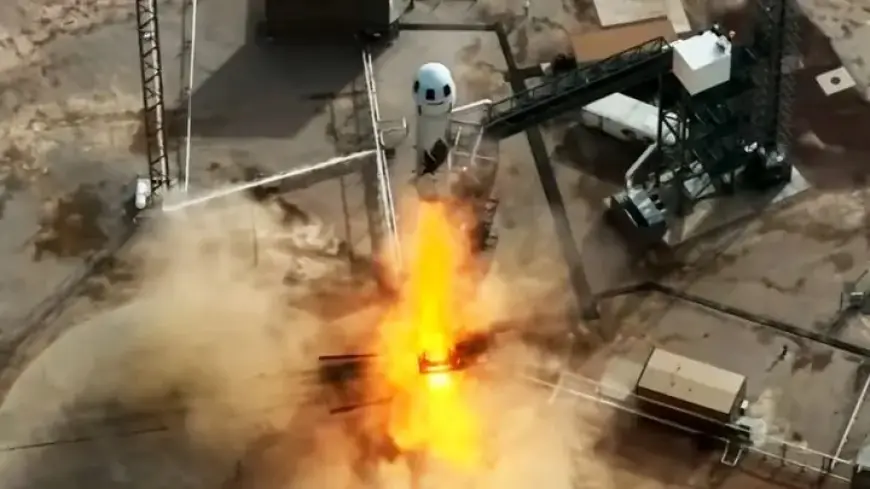
On January 22, 2026, Blue Origin successfully launched its latest crew of six space tourists aboard the New Shepard rocket. This mission was designated NS-38 and marked the company’s 17th human spaceflight. Blue Origin, founded by Jeff Bezos, continues to make strides in commercial space travel.
Launch Details
The New Shepard vehicle lifted off from Blue Origin’s launch site in West Texas at 11:25 a.m. EST. The launch experienced a brief delay due to unauthorized personnel on the range.
Mission Crew
The crew for this suborbital journey included:
- Tim Drexler – Entrepreneur and pilot
- Linda Edwards – Retired obstetrician/gynecologist
- Alain Fernandez – Real estate developer
- Alberto Gutiérrez – Entrepreneur
- Jim Hendren – Retired U.S. Air Force colonel
- Laura Stiles – Director of New Shepard launch operations
Laura Stiles replaced Andrew Yaffe, who had to withdraw due to illness. Yaffe will have the opportunity to fly on a future mission.
Experiencing Weightlessness
During the brief flight, the passengers experienced several minutes of weightlessness. They ascended above the Kármán Line, positioned at 62 miles (100 kilometers) above sea level, which is widely recognized as the beginning of outer space. The capsule reached an altitude of nearly 350,000 feet (106,680 meters).
Flight Conclusion
The mission concluded as New Shepard made a powered landing back at the launch site just 7 minutes and 20 seconds after liftoff. The capsule followed suit approximately three minutes later, landing safely in the West Texas desert.
Significance of NS-38
Blue Origin has now transported a total of 98 people on 17 human spaceflights since its inaugural flight on July 20, 2021. Notably, this date coincides with the 52nd anniversary of the Apollo 11 moon landing. The total includes 92 individuals, with a few having flown on multiple occasions.
Comparative Ticket Pricing
While Blue Origin has not disclosed ticket prices for its missions, Virgin Galactic charges $600,000 per seat for similar experiences in suborbital space tourism. This competitive landscape illustrates the increasing accessibility of space travel for individuals outside traditional astronaut programs.