























Blake Lively, Taylor Swift Texts, and “It Ends with Us”: How Private Messages Are Rewriting the Public Battle Lines

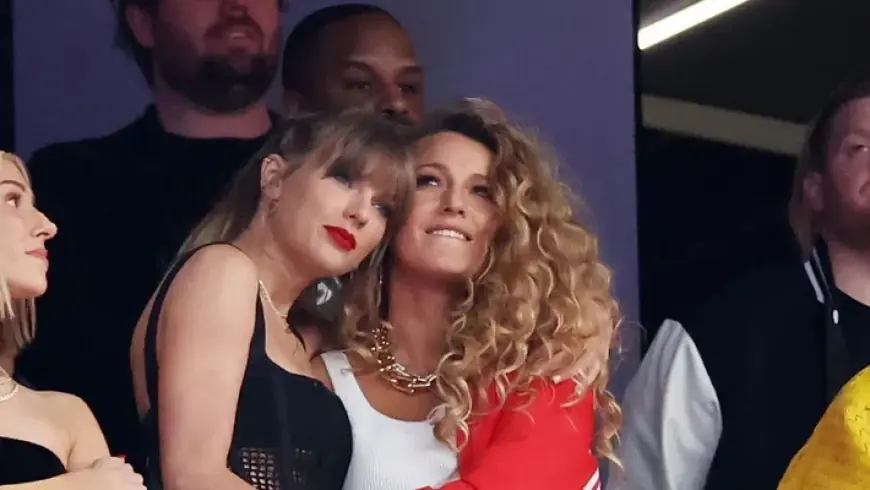
The newest turn in the Blake Lively–Justin Baldoni legal fight isn’t a trailer, a premiere, or a press interview. It’s a batch of text messages now circulating far beyond the people who wrote them—pulling Taylor Swift and other well-known names into a dispute that was already emotionally charged. The immediate impact is reputational: friendships and creative collaborations are being judged in public through fragments of private conversation, while the case itself moves toward major court dates that could define what happens next for everyone involved with “It Ends with Us.”
Risk and Uncertainty: When Texts Become the Story
There’s a difference between a legal claim and the cultural story that forms around it. Unsealed exhibits can collapse that distance overnight. In this case, messages tied to Blake Lively’s relationship with Taylor Swift are being treated as “context” by onlookers, even though texts rarely capture the full arc of a working relationship, a friendship, or a conflict.
That’s why this development matters beyond celebrity curiosity: it changes leverage. Once private communications enter the public arena, every side faces new incentives—tightening narratives, disputing interpretations, and preparing for how a jury might respond to tone, timing, and perceived intent. Even if the legal questions are narrow, the public reading of the texts becomes broad, messy, and difficult to control.
What the Unsealed Messages Add to the Lively–Baldoni Dispute
The case stems from disputes around the 2024 film “It Ends with Us,” with Lively and director/co-star Justin Baldoni on opposite sides of allegations and counter-allegations. This week’s attention spiked after court materials were unsealed that included communications referencing Taylor Swift, along with other exchanges tied to people connected to the film.
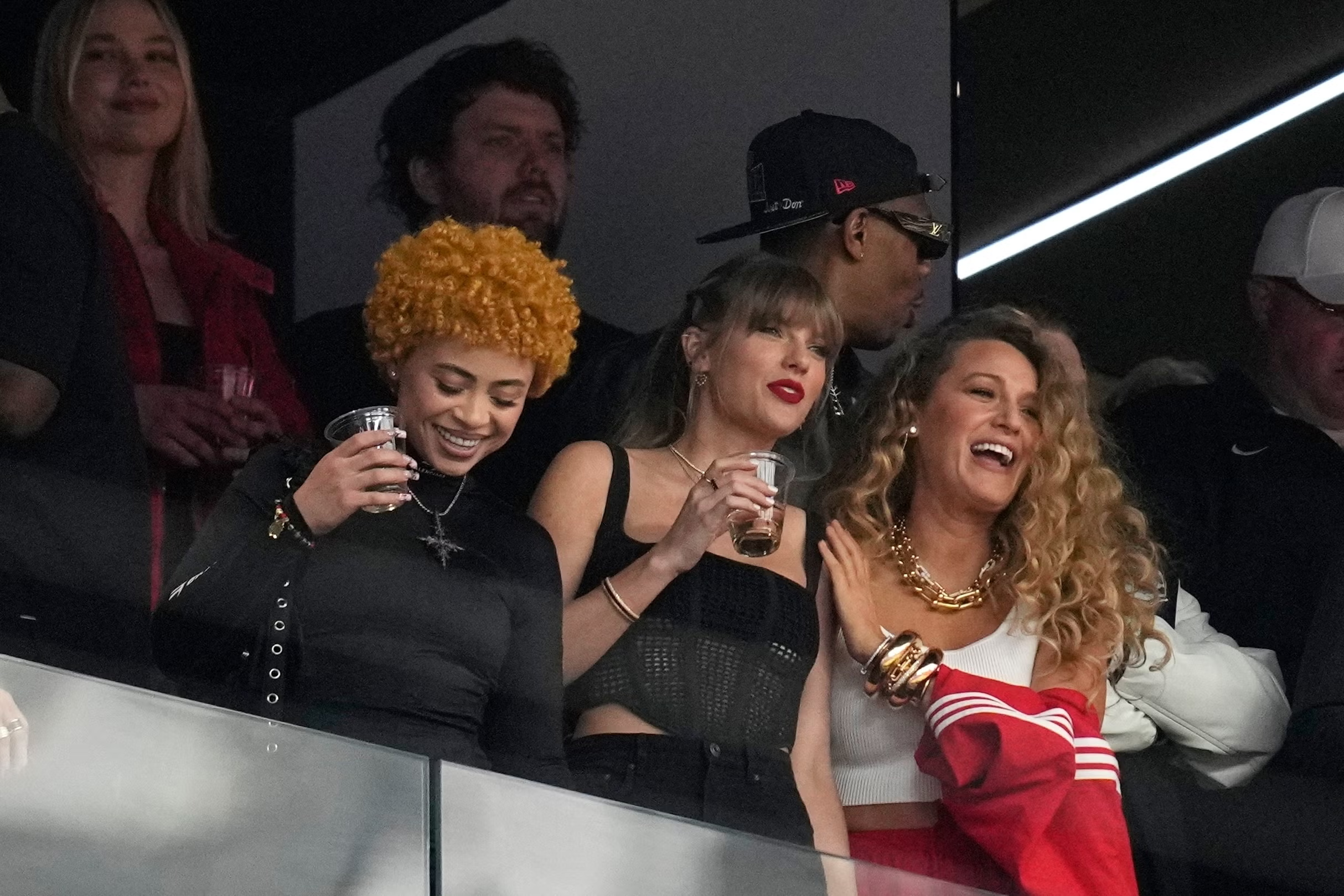
The messages being discussed publicly suggest several overlapping themes:
-
Friendship strain and repair: The texts depict periods where Lively and Swift’s communication cooled, then later shifted toward reconnecting.
-
Stress from the legal conflict: The tone and timing of messages indicate the dispute’s spillover into personal relationships, including heightened anxiety about how the situation was unfolding.
-
Interpretation battles: One side frames the texts as evidence of pressure tactics or coordination; the other frames them as informal venting and emotional support during a stressful conflict.
The result is that Swift—who is not a named party in the dispute—has become a central character in the public conversation simply because her messages appeared in exhibits. That doesn’t change the core claims by itself, but it does change how loudly the case is being argued outside the courtroom.
Jenny Slate’s name has also surfaced in the same swirl, with publicly discussed materials tying additional cast communications to the broader narrative of on-set dynamics and relationships. The overall effect is widening: the story expands from two principals to a larger web of people who now risk getting judged based on partial, situational exchanges.
A key procedural note: Baldoni’s side is pushing for the lawsuit to be dismissed, and the court calendar is moving—meaning this isn’t just an internet cycle. It’s a litigation timeline with real deadlines.
Taylor Swift News Angle: Visibility Without Control
Taylor Swift is involved here in the most uncomfortable way: maximum visibility, minimal ability to shape the context. When texts are unsealed, readers often treat them like complete testimony when they’re not. They’re snapshots, and snapshots invite projection.
For Swift, the risk is twofold:
-
Reputation-by-association: People interpret solidarity or frustration as endorsement of every claim in the dispute.
-
Narrative drift: The public starts treating friendship dynamics as proof of legal facts, even when the messages don’t actually resolve what happened on set.
For Lively, the risk is similar but more immediate: every personal message becomes ammunition for credibility arguments. For Baldoni, the risk is that public reaction can harden before legal questions are fully tested.
What This Means Next
The next phase is less about “what did the texts say” and more about “how will each side use them.”
Short-term changes
-
Expect more filings and arguments aimed at shaping how exhibits are interpreted and what remains sealed versus public.
-
Public commentary may intensify around who is “involved,” even if most named individuals are not parties to the case.
Who benefits and who loses (neutral)
-
Benefits: Legal teams benefit from any material they can frame as supporting credibility or intent.
-
Loses: Non-parties referenced in exhibits lose privacy and control, even when their role is peripheral.
-
Mixed: The film’s broader brand value can be pulled in opposite directions—heightened attention, but also heightened controversy fatigue.
What to watch next
-
Whether the dismissal effort succeeds, narrowing the dispute quickly—or whether the case continues toward trial with expanded discovery.
-
Any additional unsealing decisions that release more communications involving third parties.
-
Signs of settlement pressure: public exposure often accelerates “end it now” incentives, but it can also harden positions if either side believes momentum is shifting their way.
Right now, the clearest reality is simple: the courtroom process is progressing, and the public conversation is accelerating. The gap between those two speeds—and the damage that can happen in between—is where this story is headed next.