























Silent Hill New Movie Arrives With a Big Question: Can “Return to Silent Hill” Restart the Franchise for a New Era?

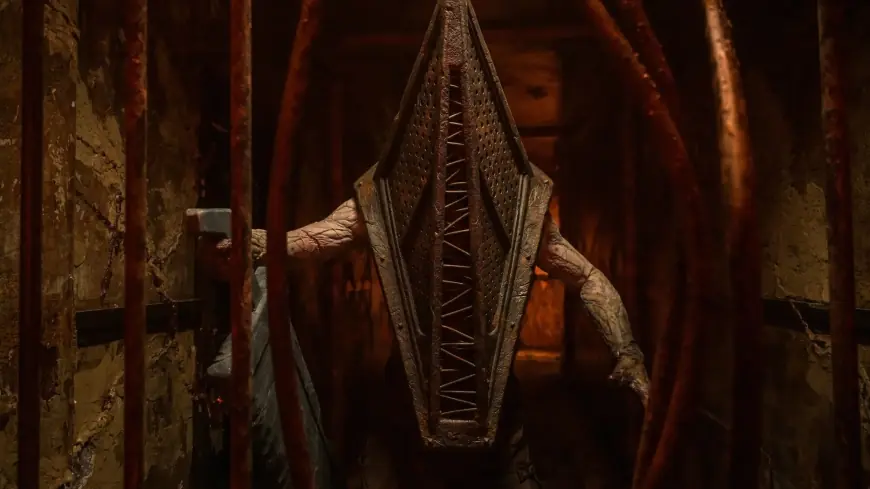
The Silent Hill new movie is finally here, and its biggest impact isn’t just another trip into fog and rust—it’s what the release could unlock (or shut down) next. “Return to Silent Hill” is positioned as a reset: a fresh on-ramp for newcomers and a nostalgia test for long-time fans who want the series’ psychological dread back on the big screen. With theatrical play first and home-viewing details still unsettled, the film’s early momentum now matters as much as the story itself.
A Reboot Attempt That Lives or Dies on Trust
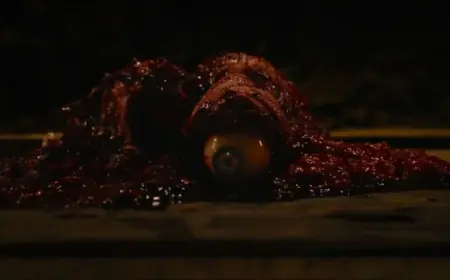
Reboots in horror succeed when audiences believe the creators “get” the fear—especially with a property as mood-driven as Silent Hill. This Silent Hill new movie is built to re-earn that trust by leaning into the franchise’s signature: grief, guilt, and a town that feels like a mind turned inside out.
But there’s a second layer of pressure: video game adaptations now compete in a crowded landscape where “faithful” is no longer a bonus, it’s the minimum. The real test is whether the film can deliver a cinematic identity that stands on its own, rather than feeling like a checklist of iconic imagery. Early reactions have signaled a mixed-to-negative lean, which doesn’t automatically doom a horror title—but it does shift the conversation from “comeback” to “damage control,” especially among core fans.
What’s in “Return to Silent Hill” and Why It’s Different This Time
“Return to Silent Hill” is a psychological horror film written and directed by Christophe Gans, returning to the series after helming the 2006 entry. It’s broadly rooted in the premise of Silent Hill 2, one of the most beloved stories in the game franchise.
The setup is simple and deliberately personal: James Sunderland (played by Jeremy Irvine) is pulled back to Silent Hill after receiving a letter connected to his lost love. What should be a search turns into a confrontation with a town warped by something malign—and by James’ own unraveling sense of reality. Hannah Emily Anderson co-stars, with Evie Templeton also in the cast. The film’s runtime is about 106 minutes.
Release-wise, the key dates shaping attention right now:
-
United States theatrical release: January 23, 2026
-
France theatrical release: February 4, 2026
-
Home viewing: not officially set at the time of release
For fans, the headline isn’t just “new movie.” It’s the promise of a more psychological, inward kind of horror—less about jump scares, more about dread that lingers. For skeptics, the concern is whether the film mistakes recognition for terror: familiar creatures, familiar locations, familiar symbolism—without the emotional precision that made the original story hit so hard.
What This Means Next
In the short term, “Return to Silent Hill” will be judged on three fast-moving fronts:
-
Opening-weekend audience response: Horror can survive harsh criticism if the crowd experience is strong. Word-of-mouth will likely matter more than any single review.
-
The franchise’s future path: A clean reboot is often a test balloon. Solid performance increases the odds of more films or a longer-term screen plan; weak traction makes future investment harder.
-
When and how people can watch at home: Some viewers will wait for digital options. With no confirmed home-viewing date at launch, the next announcements will influence how quickly broader audiences catch up.
Who benefits or loses, at least for now:
-
Benefits: viewers who want theatrical horror and fans curious to see a big-screen attempt at Silent Hill’s most famous story.
-
Risks: audiences expecting a definitive, universally satisfying adaptation; the more beloved the original material, the narrower the margin for error.
What to watch next:
-
Any update on digital rental or purchase timing
-
Whether audience feedback stabilizes into a cult-favorite narrative or hardens into disappointment
-
Signals that the film is being treated as a one-off or the start of a longer reboot cycle
If the Silent Hill new movie lands emotionally—even imperfectly—it could still carve out the one thing the franchise has always thrived on: a lingering feeling that something inside the fog followed you home.