

























Indonesia Unveils World’s Oldest Discovered Cave Art

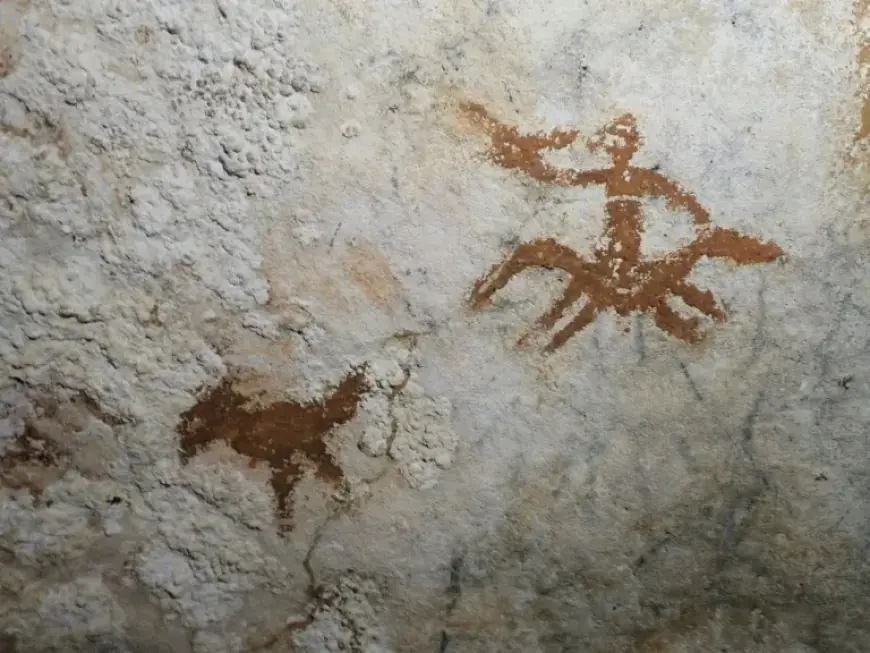
A recent discovery in Indonesia reveals the world’s oldest known cave art. A red hand stencil on a cave wall has been dated back tens of thousands of years. This remarkable finding provides insights into early human migration patterns, particularly the routes taken to Australia.
Details of the Discovery
Archaeologists uncovered the hand stencil in a cave located in the Indonesian region of Sulawesi. This artwork dates back at least 40,000 years, making it the oldest of its kind known to date. Researchers believe this discovery can help illuminate the early movements of humans out of Africa.
Significance of the Cave Art
The cave art serves as a vital piece in understanding prehistoric human behavior and migration. It demonstrates the cognitive abilities of early humans and their use of symbolic expression, which are crucial for cultural development. Furthermore, it suggests that such artistic practices emerged earlier than previously thought.
Complexity of Human Migration
The finding highlights a complex migration story as humans moved across Asia and into Australia. Researchers suggest that understanding these early movements can reveal much about the settlement patterns of ancient populations.
Implications for Future Research
- The age of the hand stencil suggests a sophisticated level of communication and artistic expression.
- Further research could uncover additional artworks, enhancing our knowledge of early human societies.
- The discovery prompts questions regarding social structures and cultural practices of ancient people.
The discovery of the world’s oldest cave art in Indonesia offers a new perspective on human history. It serves as a reminder of the intricate relationship between art and the evolution of human societies. As further studies are conducted, the implications of these findings will likely expand our understanding of early human life.