

























Ancient Cave Art Unearthed in Indonesia: World’s Oldest Discovery

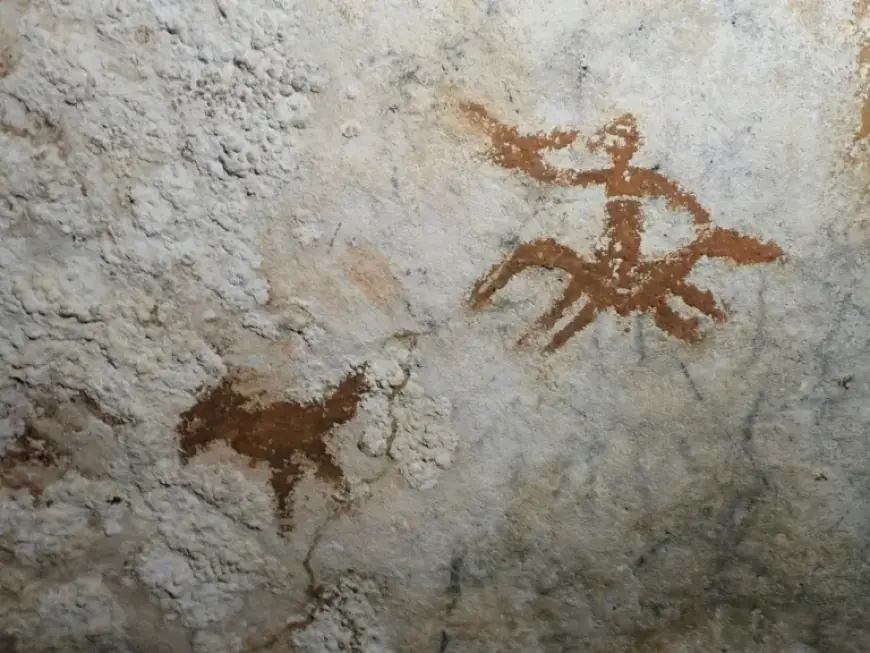
Scientists have unveiled a remarkable archaeological find in Indonesia: the world’s oldest known cave art, dating back tens of thousands of years. This significant discovery includes a striking red hand stencil that provides insights into early human migration patterns.
Details of the Discovery
The cave art was found in a site that has not yet been named in public reports. Researchers have determined that this hand stencil is a prime example of prehistoric artwork, likely created by early humans who inhabited the region.
Dating the Art
Analysis has shown that the hand stencil is over 40,000 years old, making it the oldest rock art discovered to date. This finding is pivotal for understanding the cultural practices of early humans in Southeast Asia.
Significance of the Findings
- The discovery provides evidence of the artistic expression of our ancestors.
- It contributes to the understanding of how humans migrated to Australia.
- This cave art connects us to the cognitive and creative capabilities of early humans.
Future Research
This groundbreaking discovery will likely prompt further archaeological studies in Indonesia and surrounding areas. With each new find, researchers hope to piece together the narrative of human history and migration.
The relevance of this artwork lies not only in its age but also in its potential to unveil more about the cultural and social practices of early civilizations. As ongoing research continues, the world watches closely for additional insights into our human ancestry.