Unveiling Nintendo’s Virtual Boy: Discover Its 1,750,000 FPS Display Technology

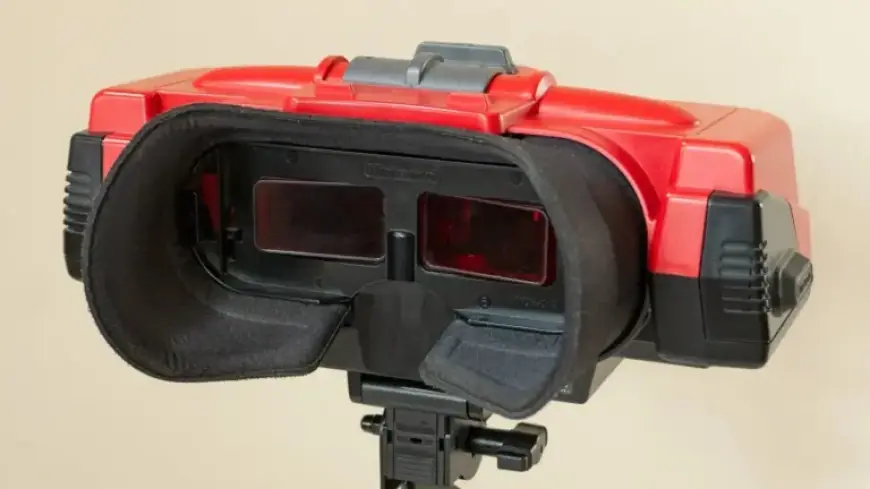
Nintendo’s Virtual Boy, launched in 1995, stands out in the realm of virtual reality. Despite its technological innovation, it faced significant challenges that resulted in its quick downfall. However, a recent exploration into its features reveals its groundbreaking display technology.
Understanding the Virtual Boy’s Display Technology
The Virtual Boy offered a unique perspective on VR with its eye-catching design and innovative mechanisms. One of its most notable features was its display technology, which operated at an astonishing rate of 1,750,000 frames per second (FPS).
Unique Features of the Console
- Design: Unlike contemporary headsets, the Virtual Boy was a table-mounted device.
- Display Resolution: Each of the two displays for the eyes had an unusual resolution of 1 x 224 pixels.
- Mirrored Output: The displays used mirrors to redirect images towards the viewer, creating a 3D effect.
- Oscillation Rate: The mirrors oscillated 50 times per second, mimicking a panning effect.
3D Illusion and Monochrome Limitations
The Virtual Boy utilized separate displays for each eye, allowing it to produce a 3D illusion similar to modern VR headsets. However, it relied solely on red LEDs, resulting in a monochrome visual experience. This choice, while efficient in terms of processing power, limited the console’s color representation.
Challenges and Commercial Failure
- Health Issues: Users reported eye strain and dizziness.
- Brief Market Presence: The console was discontinued within a year of its release.
- Limited Game Library: Only 22 titles were developed for the system.
Ultimately, the world was not ready for VR technology in 1995. Despite its short-lived existence, the Virtual Boy’s innovative approach and unique display technology are noteworthy. Its emphasis on viewer perception paved the way for future VR developments, setting a foundation for the devices we see today.