

























How Lobbying Extends Australia’s Most Dangerous Coal Plants

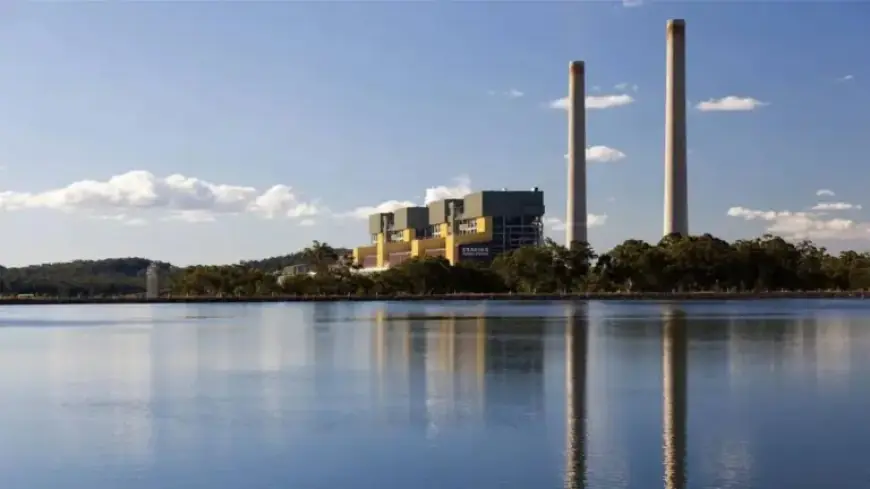
The ongoing battle over Australia’s coal power sector has taken another alarming turn with the extension of the Eraring coal-fired power station’s operational lifespan. Origin Energy, the company behind this decision, has been at the center of controversy regarding environmental impact and public health.
Key Concerns Over Coal Power Extensions
As Australia’s largest coal-fired power plant, Eraring was originally set to close in 2032. However, in response to growing energy demands and political pressures, Origin Energy moved that closure date to 2025 before renegotiating it further to 2029. This decision is expected to have a severe environmental impact.
- Emissions Impact: Extending the Eraring coal plant’s operation is projected to release an additional 25.8 megatonnes of carbon dioxide.
- Health Consequences: Experts estimate this pollution could lead to approximately 8,000 premature deaths due to air quality deterioration.
The Role of the Australian Government and Energy Council
Amidst a backdrop of rising electricity demand, fueled in part by the expansion of data centers, the Labor government in New South Wales reached an agreement with Origin Energy to extend Eraring’s life. This move has drawn criticism, as it prioritizes immediate energy needs over long-term environmental goals.
The Australian Energy Council has also expressed a desire to keep coal plants operational, framing it as essential for “reliability.” The reasoning suggests that rapid retirements could lead to power outages, blurring the lines between energy transition and reliance on fossil fuels.
The Impact of Coal on Australia’s Emissions
The coal sector in Australia is uniquely concentrated, producing significant emissions from a small number of plants. This presents challenges in meeting climate targets, with coal-fired power being a leading contributor to greenhouse gas emissions. The expected benefits of transitioning to renewable energy sources seem undermined by continued reliance on coal:
- Reliability Concerns: Media narratives surrounding potential blackouts promote fear that drives political decisions to prolong coal operations.
- Public Perception: Misleading claims about renewables triggering blackouts create a hostile environment for green energy initiatives.
The Path Forward for Renewable Energy
Critics argue that the Commonwealth must reassess its commitment to coal and invest more in renewable energy solutions. They emphasize the need for direct government support and policy changes to ensure a smoother transition. The push for longer coal plant operations undermines the progress towards net-zero emissions.
Conclusion
The situation in Australia’s power sector exemplifies the complex interplay between energy demands and climate responsibilities. If politicians and stakeholders continue to favor fossil fuels over sustainable solutions, the goal of reducing emissions may remain just out of reach. A united front against such extensions is essential to safeguard public health and achieve climate objectives.