
























Brisbane House Prices Surge $3,800 Weekly to New Record

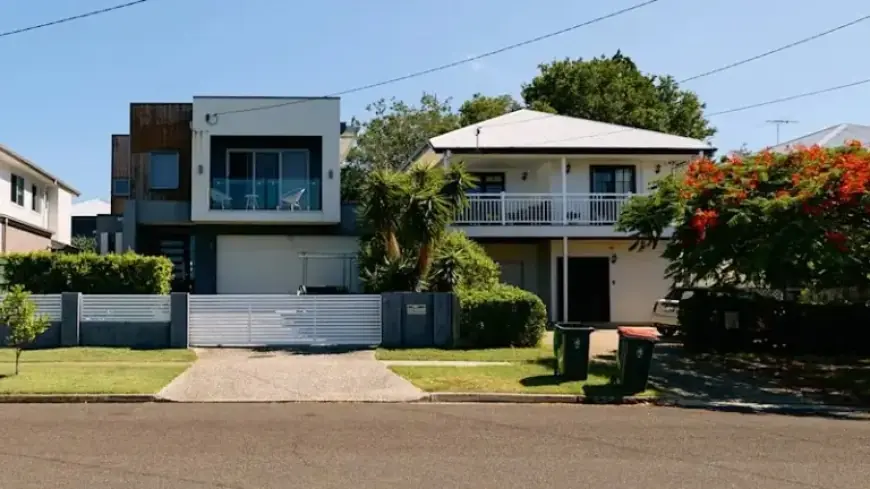
Brisbane’s real estate market is making headlines, with house prices surging by an impressive $3,800 weekly, reaching new record highs. This dramatic rise benefits homeowners, turning a robust market into a lucrative opportunity.
Current Market Trends
Brisbane now has only one suburb, Russell Island, where house prices remain below $500,000. Five years ago, the median house price was approximately $628,000, with unit prices at $418,000. The current growth in the market can be attributed to several factors.
Driving Forces Behind the Surge
Key elements contributing to this surge include:
- Increased investor activity.
- Worsening affordability for detached housing.
- The Australian Government’s 5% Deposit scheme.
- Interest rate cuts and low inventory.
Real estate experts like Powell emphasize the significant impact of the home loan guarantee scheme, which has incentivized many to invest before the potential rise in interest rates.
Suburb-Specific Performance
Growth trends differ across Brisbane suburbs. According to Domain data, units have shown remarkable growth, particularly in:
- Alderley: Median price increased by 30.1% to $803,000.
- Stafford: Rose by 28.3% to $730,000.
- Newstead: Increased by 28.2% to $870,000.
Houses have also experienced notable hikes, especially in Ipswich suburbs:
- North Booval: 25.9% increase to $670,000.
- Yeronga: 24.2% increase to $1,657,500.
- Hawthorne: 20.4% rise to $2.4 million.
- New Farm: 17.9% growth to $3.3 million.
Luxury Market Insights
The luxury segment is thriving as well. High-net-worth individuals are moving to Brisbane, further driving up prices. A recent sale in Carina topped the charts at $6.15 million, showcasing the area’s desirability.
Affordable Housing and Gentrification
In contrast, suburbs like Woodridge have outperformed more affluent areas, experiencing a staggering 203.8% price growth over five years, reaching a median of $607,500. Factors influencing this growth include:
- The first home buyer grant influencing buyer sentiment.
- Gentrification driven by improved transportation and affordability.
Rebecca Cuderman from NGU indicates that increased owner-occupier purchases are reshaping the Woodridge landscape, as families move in while investors exit.
Conclusion
Brisbane’s housing market is characterized by a dynamic interplay of factors driving price hikes across various suburbs. The combination of government incentives, investor interest, and increasing demand ensures that Brisbane remains a prime location for real estate investment and growth.