
























Hollywood’s Influence on Unrealistic Beauty Standards: Not to Blame

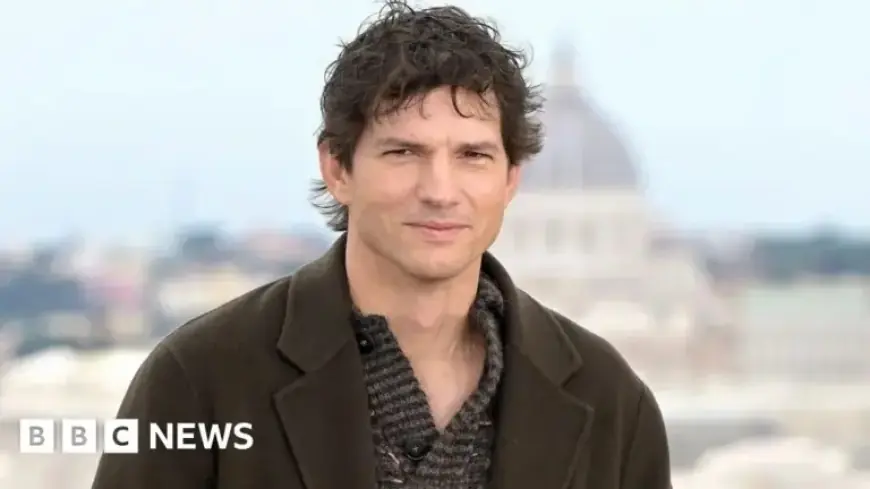
Ashton Kutcher, the renowned actor known for his roles in “That ’70s Show” and “Punk’d,” recently shared his views on Hollywood’s role in shaping beauty standards. He believes that the film and television industry is not solely responsible for the increasing desire for perfection in appearance. Instead, he points to society’s broader influence and the constant visibility of individuals in the digital age.
Hollywood’s Influence on Beauty Standards
Kutcher, who is currently starring in the science fiction series “The Beauty,” asserts that entertainment mirrors societal norms rather than dictates them. In a conversation with BBC News, he emphasized that while some actors portray traditional beauty, others are celebrated for their unique attributes. “Entertainment is a reflection of society,” he stated, suggesting that the insistence on aesthetic uniformity is not a product of Hollywood alone.
Overview of “The Beauty”
The plot of “The Beauty” revolves around a drug that promises to transform individuals into their most attractive selves. Kutcher plays a tech billionaire who introduces a beautifying injection into society, subsequently grappling with its unsettling side effects. The show features significant themes and critiques surrounding beauty and perfection, making it relevant to ongoing societal dialogues.
Personal Reflections and Societal Trends
Throughout production, Kutcher and series creator Ryan Murphy discussed contemporary concerns, such as the demand for weight-loss drugs like Mounjaro. Kutcher noted a societal shift where cosmetic enhancements, once stigmatized, have become widely accepted. In the UK, the number of cosmetic procedures increased by 5% in 2024, highlighting a growing trend in aesthetic procedures.
- 27,462 cosmetic procedures performed in the UK in 2024.
- Over 10,000 non-surgical procedures, like fillers, conducted by British Association of Aesthetic Plastic Surgeons (BAAPS).
He remarked on how discussions about cosmetic enhancements are no longer taboo. “People are openly discussing their choices about Botox over coffee,” he noted, reflecting a dramatic shift in attitudes towards beauty treatments.
Cultural Commentary
Jeremy Pope, Kutcher’s co-star, mentioned that “The Beauty” challenges viewers to consider their sacrifices for beauty and success. Critics have recognized parallels between the show’s themes and current societal behaviors, illustrating the obsession with perfection fostered by platforms like Instagram.
Rebecca Hall, who plays an FBI agent in the series, connected the show to Oscar Wilde’s “The Picture of Dorian Gray.” She pointed out that the pursuit of an unattainable beauty standard can lead to dissatisfaction and madness. Hall’s narrative arc explores the pressures of attractiveness, further echoing the contemporary conversation about beauty norms.
The show serves as a commentary on today’s culture, reflecting society’s struggle with unrealistic beauty ideals. As Hall articulated, the danger lies in pursuing an external standard, risking the loss of individuality in the quest for acceptance and beauty.
Ultimately, “The Beauty” provides a nuanced examination of beauty standards, enticing audiences to reflect on their values and perceptions in a rapidly evolving cultural landscape. Through their roles, Kutcher and his co-stars illuminate the real consequences of a world obsessed with superficial perfection.