





















Cavaliers vs Hornets: Charlotte Torches Cleveland 136–111 in a Statement Home Win

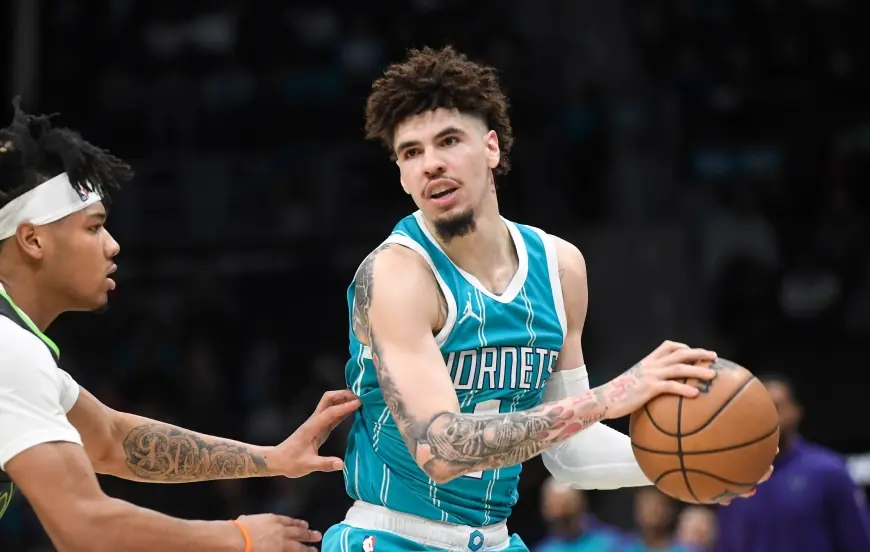
The Cavaliers vs Hornets matchup on Wednesday night in Charlotte turned into a one-sided offensive show, with the Hornets rolling past the Cavaliers 136–111. What was billed as a test of Cleveland’s depth on the road became a showcase of Charlotte’s pace, shot-making, and ball movement—especially as the game opened up after halftime.
For Cleveland, it was another rough defensive night and a reminder that short-handed stretches can snowball quickly against teams that play freely and push tempo. For Charlotte, it was the kind of home performance that can reset a team’s energy after a tough stretch—sharp, confident, and efficient from start to finish.
Cavaliers vs Hornets: The Numbers That Defined the Game
Charlotte didn’t just win; they won with control in the areas that usually predict blowouts: rebounding, assists, and shooting efficiency.
Key team stats snapshot:
-
Points: Hornets 136, Cavaliers 111
-
Rebounds: Hornets 50, Cavaliers 32
-
Assists: Hornets 33, Cavaliers 21
-
Field-goal percentage: Hornets 53.3%, Cavaliers 46.5%
-
Three-point percentage: Hornets 47.2%, Cavaliers 41.3%
-
Turnovers: Hornets 17, Cavaliers 15
When a team wins the glass by 18 and creates 12 more assists, it usually means the offense is generating cleaner looks and more second chances. That’s exactly how Charlotte built separation.
How Charlotte Broke the Game Open
The Hornets’ offense had a clear rhythm: quick decisions, early shot-clock looks, and consistent paint pressure that forced Cleveland’s help defense to collapse. Once that help arrived, the kick-outs and swing passes followed, leading to a steady diet of open threes and high-percentage looks.
The assist total—33—tells the story of a team that wasn’t relying on isolation to score. Charlotte repeatedly turned good shots into better ones, and the high shooting percentages reflect how often those attempts came in flow rather than against a set defense.
Rebounding mattered just as much. The Hornets’ plus-18 edge on the boards limited Cleveland’s ability to get out in transition, while giving Charlotte extra possessions to keep the pressure on.
Cleveland’s Problem: Defense First, Then Offense
Cleveland’s scoring (111) wasn’t the only issue. The bigger concern was how consistently the Cavaliers gave up clean looks and failed to string together stops when the game swung. Even with respectable three-point shooting, it’s nearly impossible to win when the opponent is above 53% from the field and getting extra chances on the glass.
A short-handed rotation also tends to show up in the “little” things—late closeouts, missed box-outs, and slower recovery after breakdowns. Against a confident opponent, those small lapses become a flood.
Injury Context Loomed Over the Cavaliers vs Hornets Result
Cleveland entered the night navigating rotation challenges, including the continued absence of key backcourt pieces. When primary ball-handlers or spacing threats are missing, it impacts more than scoring—it changes lineup balance, reduces margin for error, and can strain defenders who are asked to do more on every trip.
Charlotte also had injuries on the report, but the Hornets played like the healthier, more settled team in the ways that matter most: connected offense, consistent effort on rebounds, and a clear identity for how they wanted to attack.
What the Win Means for Charlotte
This wasn’t just a “good night shooting.” The Hornets won in sustainable ways: sharing the ball, controlling the boards, and playing with consistent pace. Those are repeatable traits that travel well through a long season and can keep a team competitive even when individual scoring swings from game to game.
If Charlotte keeps generating 30-plus assists and winning the rebounding battle, they’ll give themselves a chance against most opponents—even those higher in the standings.
What the Loss Means for Cleveland
For the Cavaliers, the urgency is on the defensive end. Giving up 136 points and losing the rebound battle by 18 points is the kind of combination that forces a quick recalibration—whether that means tighter rotations, more conservative help rules, or simply winning the effort categories that can’t depend on who is available.
The other message is simple: when you’re missing key players, you have to win the “possession game.” That means rebounding, limiting turnovers, and turning defensive stops into easier points. Cleveland didn’t do that here, and the gap widened accordingly.