

























Wealth Tax: Can a $17.4 Billion Solution Break the Cycle?

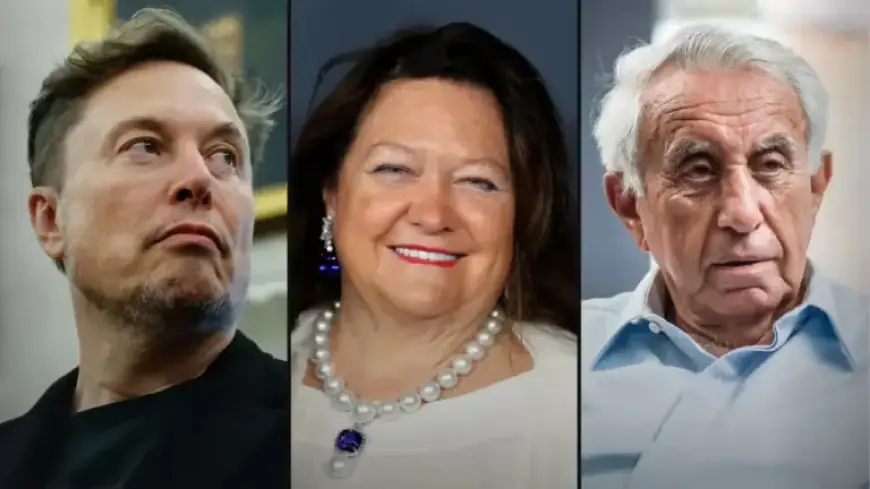
Australia’s wealth distribution has increasingly raised concerns, with the latest analysis from Oxfam highlighting alarming disparities. A few dozen billionaires possess more wealth than 40% of the population combined. This inequitable wealth accumulation puts financial strain on millions, including 3.7 million individuals living below the poverty line.
Rising Inequality Among Australian Billionaires
In the past year, the average wealth of Australian billionaires surged by nearly $600,000 daily, as reported by Oxfam. As of now, there are 48 billionaires in Australia, an increase of eight since 2020. Their collective wealth exceeds that of approximately 11 million Australians, or 40% of the country’s population.
Jennifer Tierney, the CEO of Oxfam Australia, expressed serious concerns about this wealth concentration, describing it as both unsustainable and immoral. The charity urges a wealth tax to address inequality and generate necessary revenue for social services.
Proposals for a Wealth Tax
Oxfam suggests that a 5% wealth tax on billionaires could have raised an astounding $17.4 billion last year. These funds could effectively alleviate pressures on housing and childcare costs, extend energy bill relief, and bolster humanitarian assistance.
- Potential Wealth Tax Revenue:
- 5% tax on billionaires: $17.4 billion
- Other Measures Proposed:
- End capital gains tax discount
- Phase out negative gearing
Moreover, the Greens party advocates for a 10% wealth tax on Australians with significant wealth, aiming to reduce costs of essential services like food and healthcare. Citing a report from the Australia Institute, a 2% wealth tax on individuals worth over $5 million could raise $41 billion annually.
The Impact of Wealth Disparities
Oxfam’s global report links extreme wealth to political inequalities, suggesting that billionaires are more than 4,000 times more likely to hold political office than average citizens. This trend poses threats to democracy as wealth translates into political influence, exacerbating social unrest.
Tierney highlighted how concentrated wealth fosters dissatisfaction among citizens. They often perceive themselves as excluded from economic benefits, leading to protests and calls for systemic change.
Challenges Posed by Artificial Intelligence
The increasing dominance of billionaires in media and technology raises additional concerns. Australia’s media landscape is significantly shaped by few powerful entities, such as Rupert Murdoch’s News Corp. With growing control over platforms, billionaires now influence public perceptions even further through artificial intelligence.
“The implications of AI ownership by the wealthy could be profound,” Tierney stated. As billionaires harness AI to influence opinions, critical conversations about wealth distribution and democracy become ever more pertinent.
This ongoing cycle of inequality, political power, and technological influence highlights the urgent need for reform. Addressing these challenges could begin with implementing effective wealth taxation that eases burdens on the broader population.