

























Intel’s Panther Lake Chip: A Crucial Turning Point

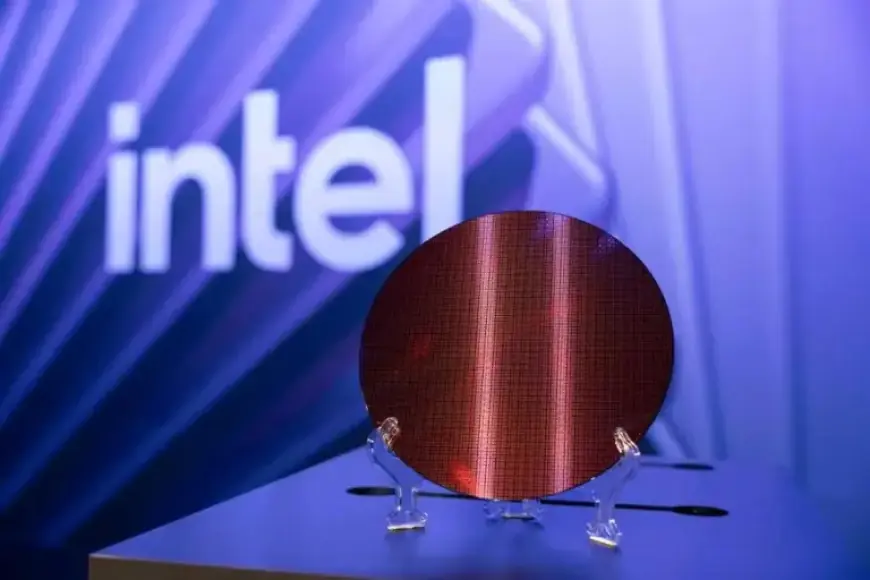
Intel has announced its Core Ultra Series 3 processors, codenamed Panther Lake, marking a significant shift in the company’s strategy. This new generation of chips moves manufacturing back in-house to Intel’s 18A process, after relying on TSMC for its previous Lunar Lake series. Intel aims to reclaim market share from competitors, particularly AMD, in the gaming handheld and laptop sectors, with expectations of improved performance and battery efficiency.
Enhanced Performance and Efficiency
The Panther Lake processors promise over 50% better multithreaded performance compared to earlier Lunar Lake and Meteor Lake CPUs, while consuming 10% less power. This improvement indicates that Intel is focusing not only on power efficiency but also on delivering strong CPU performance in its latest offerings.
Integrated Graphics Revolution
- New Arc B390 integrated GPU claimed to rival Nvidia’s RTX 4000-series discrete graphics.
- Benchmark tests showcased impressive gaming potential on integrated graphics.
- Panther Lake aims to provide strong performance without the need for discrete graphics cards.
At CES 2026, Intel demonstrated how effectively the Panther Lake hardware could run demanding games, showcasing the advancements made in integrated graphics. With this, laptop manufacturers are looking to utilize the Panther Lake processors for enhanced gaming experiences.
Challenging Competitors in Handheld Gaming
Intel is also setting its sights on the handheld gaming market, where AMD has maintained a strong presence. The company has teased custom Panther Lake hardware catered to gaming handhelds, aiming to elevate competition in this segment. Intel’s aggressive marketing strategy includes bold statements about AMD’s offerings, suggesting confidence in the Panther Lake lineup.
Catch-Up with AI and NPU Specs
Intel has faced criticism for its NPUs falling short of Microsoft’s minimum requirements for AI features in its Copilot+ PCs. After recent developments, the Panther Lake processors have met the necessary specifications, a notable achievement amidst shifting AI trends in the industry.
Return to In-House Manufacturing
Returning to its own production process marks a pivotal change for Intel. CEO statements suggest renewed confidence in their 14A manufacturing capabilities, after concerns about the company’s future in chip fabrication circulated last year. This move could benefit Intel by decreasing reliance on external manufacturers like TSMC, ensuring greater control over their product quality and innovation.
Branding Clarity and Market Expectations
Despite improvements, questions linger regarding the coherence of the Intel branding. The previous Core Ultra Series 2 branding caused confusion due to mixed architecture classifications. Intel aims to ensure that the Core Ultra Series 3 title accurately reflects its Panther Lake technology, reducing potential for further dilution of the brand.
Overall, Intel’s Panther Lake processors represent a crucial turning point, positioning the company to compete more effectively in key markets. With enhanced performance, improved integrated graphics, and a renewed focus on in-house manufacturing, Intel appears ready to challenge its rivals and reshape the future landscape of laptops and gaming handhelds.