














Key Insights from the 2026 Baseball Hall of Fame Election

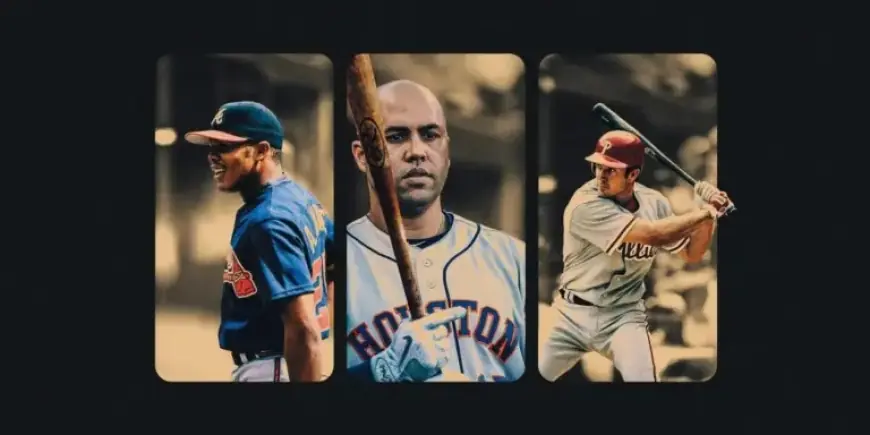
The 2026 Baseball Hall of Fame election marked a historic moment, particularly for the center field position. For the first time ever, voters elected two center fielders in a single election. Carlos Beltrán secured his induction in his fourth year on the ballot, receiving 84.2 percent of the votes. Alongside him, Andruw Jones was elected in his ninth year with 78.4 percent of the votes. This election signifies a refreshing change for the Hall of Fame’s center fielders, as only eight have been elected by writers in the last 90 years.
Key Insights from the 2026 Baseball Hall of Fame Election
Significant Voter Trends
Beltrán’s election raises questions about the impact of past controversies, particularly his involvement in the Astros’ sign-stealing scandal. Despite this, he garnered strong support, indicating a potential shift in voters’ attitudes towards players with such backgrounds.
- Beltrán: 358 votes, 84.2%.
- Jones: 333 votes, 78.4%.
- Chase Utley: 251 votes, 59.1%.
- Andy Pettitte: 206 votes, 48.5%.
- Félix Hernández: 196 votes, 46.1%.
Unprecedented Changes
This election stands out as just the fourth time in nearly 90 years that the writers selected two non-pitchers from the same position. Past instances include left fielders Rickey Henderson and Jim Rice in 2009 and right fielders Henry Aaron and Frank Robinson in 1982.
Players Making Their Mark
Andruw Jones experienced a remarkable turnaround, increasing his vote percentage from just 7.3% in 2018 to 78.4% in 2026. This leap required convincing over 300 voters to change their minds, an unprecedented feat among Hall of Fame candidates.
- Jones: 7.3% in 2018 to 78.4% in 2026.
- Previous vote-leading players included Scott Rolen and Todd Helton.
A New Wave of Voters
The 2026 election saw the influence of over 50 new voters, reshaping traditional voting patterns. Many of these new members came from digital platforms, diversifying the voting body significantly.
- New voters impacted the overall dynamics of the election.
- Beltrán received unanimous support from new voters, while Jones received 91.7%.
- Chase Utley saw a notable increase in votes due to new support.
The Future of Voting
The election is also significant regarding the dwindling influence of players with controversial pasts, particularly those involved in performance-enhancing drug scandals. Manny Ramírez, a two-time offender, received only 38.8%, marking his exit from the ballot. The conversation around PEDs is expected to shift as newer voters emerge.
Conclusion
The 2026 Hall of Fame election was a landmark event, setting new precedents for the center field position and illustrating significant shifts in voter perspectives. With an evolving electorate and changing attitudes towards past controversies, the future of Hall of Fame elections may look very different in the years to come.