
























Albanese Unveils New Laws Aiming to Boost Australian Safety

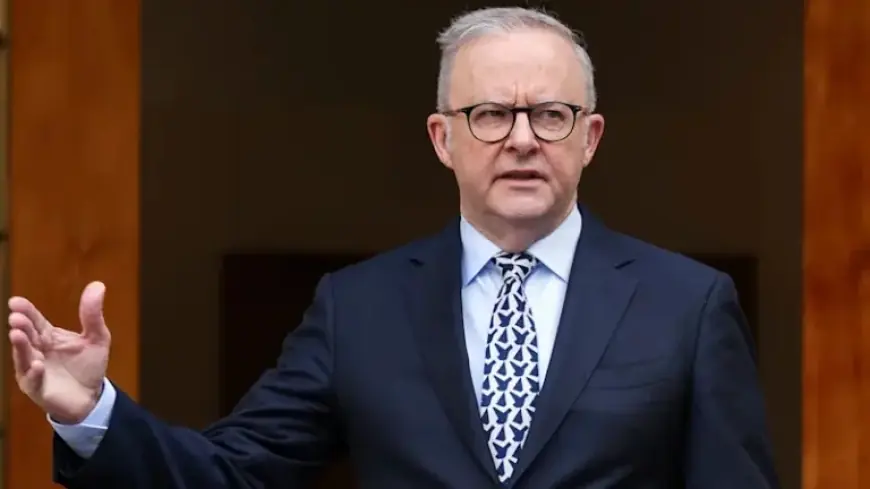
On January 21, 2026, Prime Minister Anthony Albanese announced significant reforms in Australia aimed at enhancing safety following the Bondi Beach massacre. These reforms focus primarily on gun control and hate speech legislation, reflecting a governmental response to rising concerns over violence and hate crimes.
New Gun Laws to Enhance Australian Safety
In an emergency parliamentary session, Albanese stated, “Australians are safer because of these laws.” The new gun laws include a buyback program intended to reduce firearm ownership and improve safety. However, the success of this program depends heavily on state cooperation.
- Federal laws cannot impose limits on individual gun ownership.
- New South Wales quickly passed laws in December that include a firearm ownership cap.
- States like Queensland and territories like Tasmania have expressed concerns regarding the buyback’s financial implications.
The revised legislation will empower federal intelligence agencies to enhance collaboration with states during the firearm licensing process. Furthermore, non-citizens will now be prohibited from purchasing guns, addressing concerns highlighted by the Bondi attack’s perpetrator, who owned multiple weapons as a non-citizen.
Reforms Targeting Hate Crimes
In addition to the gun reforms, the Australian government introduced new hate laws aimed at curbing violent extremism. A new classification for “hate groups” has been established, enabling the home affairs minister to designate organizations that incite hate.
- Leaders of these groups could face up to 15 years in prison.
- The law aims to protect individuals from intimidation and violence.
While this legislation seeks to address rising antisemitism and hate crimes, there are concerns regarding its potential overreach. Foreign Minister Penny Wong emphasized that the goal is not to suppress free speech but to combat organizations inciting hate.
Challenges and Future Implications
Despite these advancements, key aspects of the proposed laws, such as a racial vilification provision, have been dropped due to a lack of bipartisan support. Home Affairs Minister Tony Burke expressed disappointment over the reduced scope of the reforms, noting their effectiveness may ultimately be determined by judicial scrutiny.
The changes also include enhanced powers for the home affairs minister to revoke or deny visas for individuals promoting hate ideologies. Additionally, new penalties will apply for those advocating extremist views, including increased sentences for leaders who incite violence.
Conclusion
Australia’s recent legislative reforms mark a critical step in enhancing national safety amid rising threats from gun violence and extremist hate groups. However, the success of these measures will depend on state participation and ongoing political support.