





















ICE Arrests Hmong Immigrant and U.S. Citizen ChongLy Scott Thao

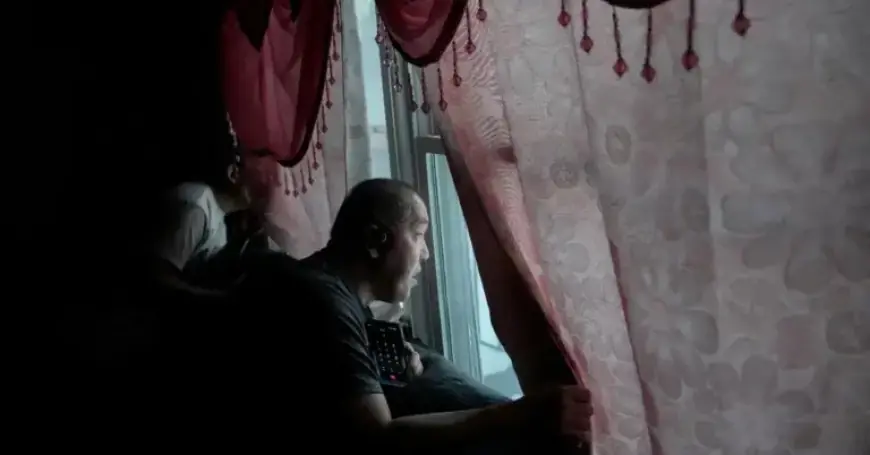
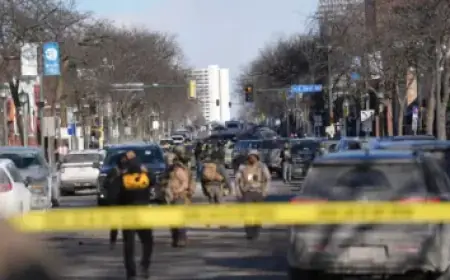
On a Sunday in St. Paul, Minnesota, a startling scene unfolded when federal agents launched a raid at a residential home. The operation culminated in the arrest of ChongLy Scott Thao, a naturalized U.S. citizen and Hmong immigrant. Eyewitness accounts reveal he was taken from his home in only his underwear and slip-on shoes.
Details of the Raid
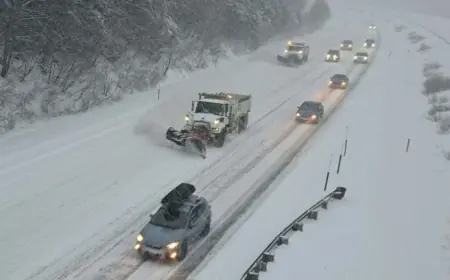
The icy weather of Minnesota exemplified the surreal nature of this event. Neighbors captured images of Thao being escorted through the snow amid the chaos, as agents from Immigration and Customs Enforcement (ICE) attempted to detain convicted sex offenders living at the same address. Thao was released less than an hour later without charges.
Community Response
This incident ignited fear and panic within the Hmong community of St. Paul. Local residents reported an increase in immigration raids focusing on individuals of Asian descent. Mayor Kaohly Her emphasized that evidence indicates the agents mistakenly apprehended Thao.
Claims of Mistaken Identity
- Thao’s family and local officials dispute the government’s narrative.
- Allegations include armed agents breaking down the door without presenting a warrant.
- Witnesses noted the chaotic nature of Thao’s extraction from his home.
Louansee Moua, Thao’s sister-in-law, described the traumatic experience on a GoFundMe page created for his legal expenses. She noted that Thao was taken away without explanation or apology from the agents. “They didn’t say sorry or anything,” Thao recounted, highlighting the lack of clarity during the incident.
Impacts on the Hmong Community
The raid’s implications have been profound. Reports documented a dramatic decline in local business activity, with some citing reductions of up to 70% as residents feared leaving their homes. Schools are adapting by delivering supplies to families hesitant to venture out.
Historical Context
The situation is even more poignant given the Hmong community’s history in the United States. Many fled Laos after aiding American forces during the Vietnam War. Thao’s family, for instance, has a deep connection to this history, with his mother having treated American soldiers during the conflict.
This recent raid and its fallout underscore broader national anxieties regarding immigration enforcement. In St. Paul, the effects of these federal operations resonate deeply within the Hmong immigrant population, who are now left grappling with questions of safety and community trust.
Conclusion
As the Hmong community processes this traumatic event, calls for justice and clarity surrounding the actions of federal agents are increasing. The case of ChongLy Scott Thao reflects not only concerns over enforcement tactics but also the enduring legacy of displacement and fear faced by immigrant populations across the United States.