



















Michael Martin on Virgin Media’s “The Assembly Ireland” Sparks Laughter, Tears, and a Fresh Debate on Autism and Politics

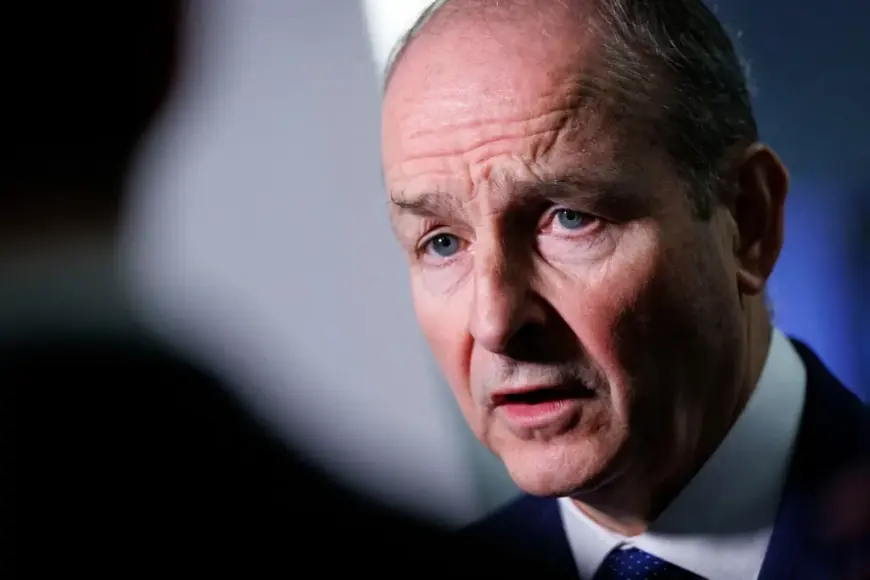
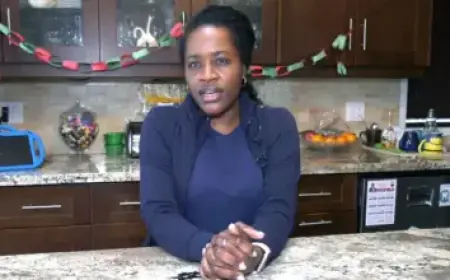
Michael Martin’s latest televised appearance has landed differently from the usual political interview circuit. In the opening episode of Virgin Media’s new series “The Assembly Ireland,” the Taoiseach faced questions from a panel of autistic and neurodivergent interviewers who were given freedom to ask what they wanted, in their own style, without the normal layers of political choreography.
The result was a broadcast that swung between sharp policy pressure and unexpectedly personal moments—prompting a surge of viewer reaction, and a wave of reviews that largely agree on one point: the concept is compelling, even if the episode’s pacing divided opinion.
What “The Assembly Ireland” Is and Why Michael Martin Was the First Guest
“The Assembly Ireland” is built around a simple idea: a group of neurodivergent participants conduct the interview, setting the agenda and tone. The format is designed to be more direct than conventional political TV, and Martin’s placement as the first guest turned the premiere into an instant stress test. A sitting head of government is accustomed to interviews, but far less accustomed to questions that don’t follow standard rhythms—or standard assumptions about what counts as “askable.”
That novelty is part of the show’s draw. For Martin, it created a situation where he had to respond in real time to subjects that ranged from public policy failures to everyday human awkwardness.
The Hardest Question: Autism, Work, and a Blunt Employment Statistic
One of the most talked-about segments centered on employment for autistic people. A panelist raised the often-cited figure that a very high share of autistic adults are unemployed, and asked directly why that reality persists.
Martin’s answers leaned into the language of supports, incentives, and reforms—acknowledging that far more needs to be done to help employers hire and retain neurodivergent staff and to ensure state supports don’t trap people outside the workforce. The exchange stood out because it pushed past slogans and into a space where the moral pressure is hard to deflect: if government programs exist, why is the outcome still so bleak?
Even viewers who don’t follow politics closely seized on that moment, because it reframed a familiar debate. Instead of abstract “disability policy,” it became a face-to-face conversation about whether the system is working for real people.
The Softer Turn: Dating, Family, and an Unusually Human Martin
The episode also went viral for lighter questions that cut through the formality of office. Martin was asked about his personal life, including an anecdote about pursuing a relationship with the woman who became his wife after an initial rejection. The story played as a rare instance of a national leader speaking like someone’s uncle at a family gathering—warm, a bit self-deprecating, and visibly less guarded than in standard political settings.
Another section that drew strong reactions focused on personal tragedy and emotional resilience. Viewers described these moments as genuinely moving, in part because the panel’s approach made it harder for the conversation to slip into rehearsed lines. When the questioner is plainly sincere, the room changes—and politicians either meet that sincerity or risk looking evasive.
Why the Format Works: Directness Without Cruelty
A striking feature of “The Assembly Ireland” is that “direct” doesn’t mean “hostile.” The panel’s questions can be blunt, but the atmosphere isn’t built around humiliation. That matters, because it allows tougher topics—mental health capacity, public services, access and equality—to surface without turning into a shouting match.
It also flips the power dynamic in a way that’s rare on TV. The guest has status, but the panel controls the shape of the conversation. That reversal is exactly why the show is being described as refreshing: the focus stays on the questions, not the performance.
The Reviews: Strong Concept, Mixed Notes on Length and Impact
Critical reception of the premiere has largely been positive about the concept and the access it creates for neurodivergent voices, while offering a consistent note of critique about runtime and structure. Some reviewers argued the episode could have benefited from tighter editing—less repetition, a quicker pace—without losing its emotional weight.
There was also a more pointed observation: that Martin, as a first guest, may not be the most naturally charismatic choice for a format that thrives on spontaneity. In other words, the show’s strength is its unpredictability, and some reviewers wondered whether a more flamboyant guest might have made the opener feel even more electric.
That said, the same reviews generally credited the panel—rather than the guest—with the episode’s best moments. Which, in a show like this, is the point.
What This Means for Virgin Media and Irish Political TV
For Virgin Media, the early traction suggests “The Assembly Ireland” has tapped into an audience appetite for interviews that don’t feel staged. For Irish politics, the episode is a reminder that trust and connection often come from settings where leaders can’t fully control the script.
And for Michael Martin, it’s a rare case where the conversation around him isn’t only about party tactics or parliamentary numbers. Instead, the lasting headlines are about the questions he faced—autism and employment, mental health, family, vulnerability—and how the format forced a different kind of answer.
If the series maintains this balance of seriousness and warmth, it’s likely to become a recurring reference point in Irish TV: not just for who sits in the chair, but for who gets to ask the questions.