





















Judge Denounces Lindsey Halligan’s ‘Charade’ in U.S. Attorney Clash

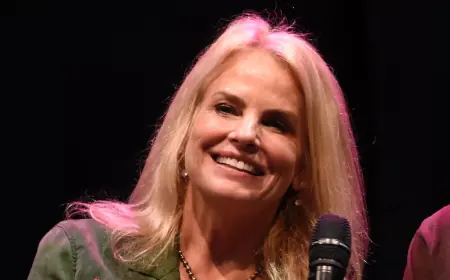
The ongoing conflict between the Trump administration and the federal court system took a significant turn recently. A judge harshly criticized Lindsey Halligan, President Trump’s appointee, labeling her claims of being the U.S. attorney as a “charade.” This marked a notable escalation in a months-long standoff.
Judge’s Order and Criticism
Judge David J. Novak, who was appointed by Trump, issued a stern order undermining Halligan’s authority. He expressed concern over her persistent identification as the U.S. attorney despite a previous ruling that deemed her appointment unlawful. The judge admonished Halligan, stating her actions amounted to “a false statement made in direct defiance of valid court orders.”
Judge Novak stated, “This charade of Ms. Halligan masquerading as the United States attorney for this district in direct defiance of binding court orders must come to an end.” His remarks highlighted the seriousness of her position and the legal ramifications of continuing her claims.
Concern Over the Attorney General’s Defense
The judge did not limit his criticism to Halligan alone. He also targeted Attorney General Pam Bondi and Deputy Attorney General Todd Blanche for allegedly minimizing concerns over Halligan’s actions. According to the judge, their recent court filing defending Halligan’s position was “more appropriate for a cable news talk show” and failed to meet the standards expected from litigants in court, especially from the Department of Justice.
Implications for U.S. Attorney Positions
This confrontation touches on broader questions regarding the legality of Trump’s appointments. The administration has employed similar tactics to appoint temporary U.S. attorneys in several states, including Nevada, California, New York, and New Jersey. The Eastern District of Virginia judges are actively seeking candidates to fill the U.S. attorney position, suggesting a move towards a new appointment.
Future of the U.S. Attorney Role
In his order, Judge Novak pointed out that Halligan’s appointment, even if valid, was set to expire, reinforcing expectations that she would vacate her post. The court has invited expressions of interest from attorneys who may wish to serve as interim U.S. attorney.
This situation raises the possibility that any newly appointed U.S. attorney may face termination by the Trump administration, which might attempt to reinstate Halligan. In September, Halligan was appointed after Trump removed her predecessor, despite her lack of prosecutorial experience. After taking office, she launched notable indictments against James B. Comey and Letitia James, both of which were dismissed after a federal judge ruled her appointment was unlawful.
The ongoing challenges within the Eastern District of Virginia exemplify the complexities and controversies surrounding appointments within the federal judiciary. As the situation evolves, it remains to be seen how these disputes will unfold and what they will mean for future appointments across the nation.