Tomb Raider’s Original Creators Defied Japanese Publisher’s ‘Manga-Style’ Lara Croft Idea

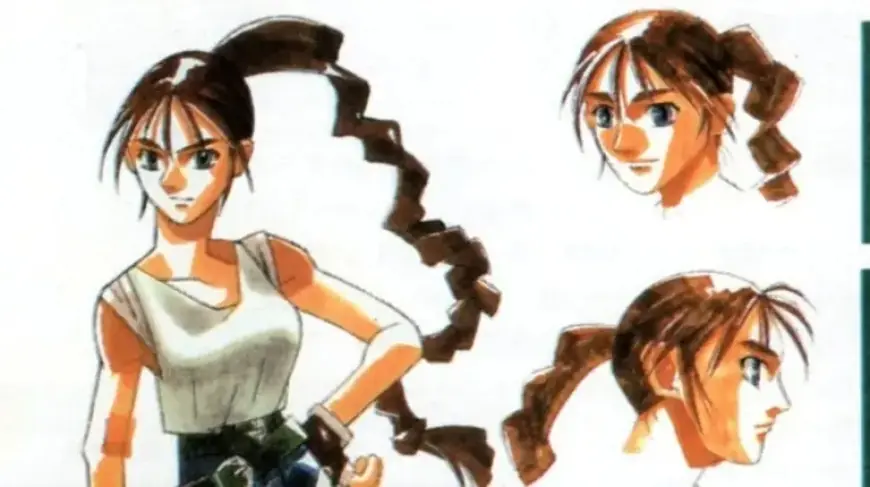
Lara Croft, the iconic character from the Tomb Raider franchise, underwent significant design considerations in her early development stages. According to Paul Douglas, one of Tomb Raider’s co-creators, there was pressure from the game’s then-publisher to modify her design to align with Japanese aesthetics.
Tomb Raider’s Design Controversy
In a recent discussion, Douglas revealed that Victor Interactive Software, the Japanese publisher, requested a “Manga-style” redesign for Lara Croft. This request aimed to enhance the character’s appeal among Japanese gamers. Douglas noted that these suggestions arrived quite late during the game’s development, causing some tension within the design team.
Pressure from Japanese Publisher
- Douglas confirmed design requests were made “quite late in development.”
- The publisher feared the Western character design would not resonate with Japanese audiences.
- Changes suggested included altering Lara’s features, such as larger eyes and a different head shape.
Co-creator Toby Gard resisted these changes, leading to a compromise. Ultimately, only the manuals and guides were modified to reflect the publisher’s vision. Douglas mentioned that designs that appeared in these materials are among the few alterations that went through during that time.
Future of Lara Croft
Looking ahead, the Tomb Raider series is set to expand with upcoming titles. Tomb Raider: Legacy of Atlantis is projected for release in 2026, followed by Tomb Raider: Catalyst in 2027. Both games will feature Alix Wilton Regan as the voice of Lara Croft.
Upcoming Projects and Timeline
- Tomb Raider: Legacy of Atlantis – Scheduled for 2026.
- Tomb Raider: Catalyst – Expected release in 2027.
- Amazon Prime Video series featuring Sophie Turner aimed at unifying the franchise.
As the franchise modernizes, fans anticipate a restructured timeline to accommodate new games and an upcoming live-action series. The intention is to cohesively connect narrative threads across games and television, potentially reshaping Lara Croft’s legacy.