
























Daryl Hannah Criticizes Ryan Murphy’s ‘Love Story’ Fiction in Op-Ed

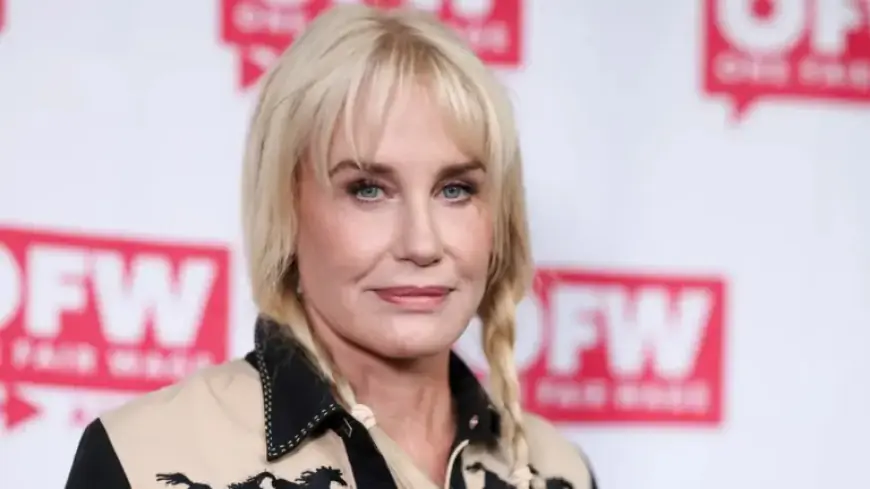
Daryl Hannah has publicly criticized Ryan Murphy’s miniseries, *Love Story*, which explores her past relationship with John F. Kennedy Jr. Following the show’s premiere on February 12, Hannah received numerous hostile messages from viewers unable to separate the dramatized narrative from her real life. Concerned about the inaccuracies, she penned an op-ed published in The New York Times to clarify the fictional portrayals of her character.
Daryl Hannah’s Relationship with JFK Jr.
Hannah dated Kennedy from the late 1980s until his marriage to Carolyn Bessette. In her op-ed, she emphasized that the character based on her is not an accurate reflection of her personal history or conduct. The narrative inaccurately attributes various behaviors and actions to her, including:
- Usage of cocaine or hosting drug-fueled parties.
- Pressuring anyone into marriage.
- Desecrating family heirlooms.
- Intruding on private memorials.
- Planting false stories in the press.
- Comparing the death of Jacqueline Onassis to a dog’s death.
Hannah described it as “appalling” that she must defend herself against the fictional narrative presented in the series.
Misogyny in Popular Culture
In her essay, Hannah responded to comments made by executive producer Nina Jacobson. Jacobson referred to Hannah as a “storytelling device” within the series. In turn, Hannah argued that portraying real women as obstacles or villains contributes to a broader issue of misogyny in media. She stated, “A real, living person is not a narrative device.”
Hannah explained that she had previously chosen to overlook sensational articles about her, believing they would fade away. In today’s digital age, she felt compelled to speak out as misinformation can persist indefinitely online.
Responses from the Kennedy Family
Jack Schlossberg Jr., the nephew of JFK Jr., also criticized *Love Story* in a CBS Sunday Morning interview. He suggested that viewers should regard the series as purely fictional, stating, “The guy knows nothing about what he’s talking about, and he’s making a ton of money on a grotesque display of someone else’s life.”
Conclusion
Daryl Hannah’s critique highlights a crucial conversation about the responsibility of creators in distinction between fiction and reality. As viewers increasingly engage with dramatizations based on real lives, the need for clarity regarding accuracy becomes vital.