

























Carney Declares Change Over Continuity in Bold Davos Address

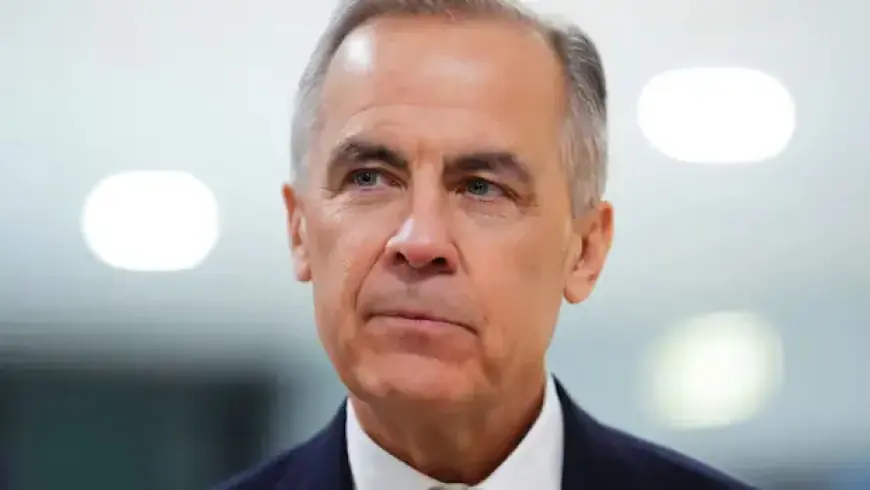
During a pivotal address in Davos, Switzerland, Prime Minister Mark Carney articulated a significant shift in the global landscape, emphasizing the end of the U.S.-led international order. He urged middle powers like Canada to adapt and resist coercion from dominant nations.
Change Over Continuity: Key Takeaways from Carney’s Davos Address
- Carney described that the previous assumptions of geographical advantages and alliances guaranteeing prosperity are now obsolete.
- He advocated for Canada to adopt a “principled and pragmatic” approach, focusing on domestic strength and diversifying international trade.
- The Prime Minister noted that reliance on international institutions has diminished, necessitating independent strategies.
Strategic Autonomy for Middle Powers
Carney emphasized the need for countries to enhance their strategic autonomy across essential sectors, including energy, food, and finance. He asserted, “A country that cannot feed itself, fuel itself, or defend itself has few options.”
- Countries must prepare for a future where cooperation may be limited.
- He described a potential “world of fortresses” that may render nations poorer and less sustainable.
Coalitions and Multilateralism
Despite advocating for a more isolationist approach, Carney stressed the importance of building coalitions among like-minded nations. “If you are not at the table, you are on the menu,” he cautioned.
- Carney encouraged strategic alliances focused on collaborative issue resolution.
- He rejected mere nostalgia for the past international order, advocating for the creation of a stronger and more just system.
Canada’s Changing Defense and Trade Strategies
Since taking office, Carney has actively sought to change Canada’s trajectory. Key efforts include:
- Doubling defense spending.
- Signing 12 new trade and security agreements across four continents within six months.
- Strengthening ties with the European Union.
Notably, Carney also negotiated a trade deal with China, addressing long-standing issues concerning electric vehicles and agricultural products, while pursuing additional agreements with nations such as India and members of Mercosur.
Competing in a Global Landscape
Carney highlighted the challenges faced by middle powers in a world dominated by great powers. “Great powers can afford to go it alone,” he noted, emphasizing that middle powers must unite rather than compete for favor. This unity is crucial to establishing a viable alternative path amid great power rivalries.
Conclusion
Mark Carney’s address in Davos marks a critical moment for Canada and other middle powers facing a new world order. By shifting focus towards self-reliance, strategic partnerships, and a redefined multilateral approach, Canada aims to navigate the complexities of modern international relations.