Review: Kim Hana and Hwang Sunwoo’s ‘Two Women Living Together’

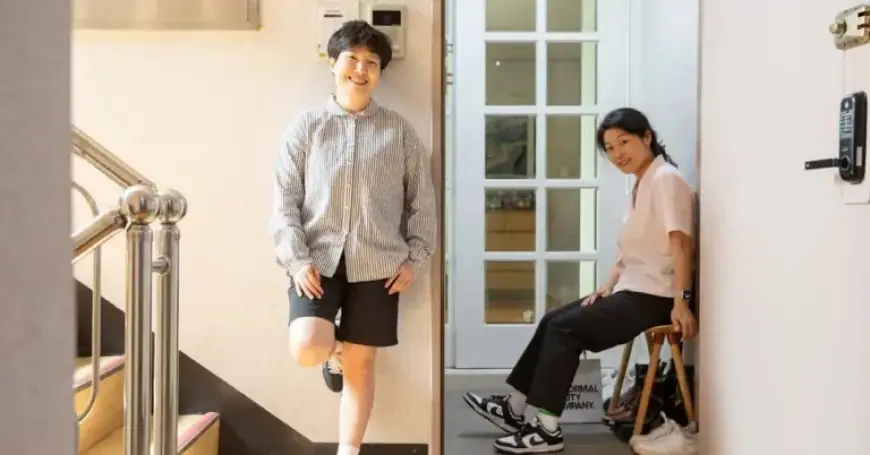
In 2019, authors Kim Hana and Hwang Sunwoo released their memoir, “Two Women Living Together,” which became a bestseller in South Korea. The book explores their life as roommates and their experiences navigating a shared household. They discuss themes of friendship, independence, and societal expectations, particularly in the context of the country’s evolving views on relationships.
Overview of ‘Two Women Living Together’
“Two Women Living Together” chronicles the journey of two friends who decided to cohabitate. Kim and Hwang provide distinct perspectives on their life together in their apartment. The narrative shifts between their individual chapters, revealing their contrasting attitudes toward cleanliness and organization.
Key Themes and Insights
- Female Empowerment: The book reflects the spirit of the 4B feminist movement in South Korea, which emphasizes independence from traditional marital structures.
- Shared Responsibilities: Hwang and Kim explore the dynamics of living together, from financial considerations to emotional support.
- Redefining Family: They challenges conventional definitions of family, highlighting the need for different living arrangements to accommodate modern lifestyles.
The authors share humorous anecdotes about domestic life and differentiate between their personalities, such as Kim’s penchant for tidiness compared to Hwang’s more relaxed approach. Such contrasts lead to practical solutions, like hiring a cleaning service to mitigate conflicts.
Impact and Reception
Upon its release, the memoir resonated with many readers, particularly women nearing 40 who identified with the struggles of being single and navigating societal expectations. Kim and Hwang’s embrace of singlehood as a legitimate lifestyle choice challenged traditional narratives about marriage and family in their culture.
Statistics on Households in South Korea
As of August 2025, an interesting statistic highlights a significant demographic shift:
| Statistic | Percentage |
|---|---|
| Households consisting of one person | 42% |
This growing trend underscores the need for housing policies that reflect contemporary societal norms, such as civil unions allowing platonic partnerships to enjoy similar benefits to marriage.
In summary, “Two Women Living Together” serves as both a personal account and a broader commentary on the evolving definitions of companionship and living arrangements. Kim and Hwang’s relatable narratives make this book a vital read for anyone navigating similar challenges in today’s society.