Inside Conservative Coalitions Battling AI Policy

As the political landscape surrounding artificial intelligence (AI) evolves, several conservative coalitions are vying for influence over AI policy. The divisions within the right showcase a complex interplay of interests amid the rapidly changing technological environment.
Inside Conservative Coalitions Battling AI Policy
Recently, former White House strategist Steve Bannon described the ongoing struggle over AI regulation in Washington as one of the most intense battles currently facing the Trump administration. The debate centers around how to appropriately manage AI technologies, with significant implications for both the economy and society.
The Nature of the Conflict
AI regulation has emerged as a pressing issue, creating rifts among conservatives regarding a unified stance. A source within the administration acknowledged the controversy is fueled by competing ideologies and external pressures from major tech companies.
Key Players and Positions
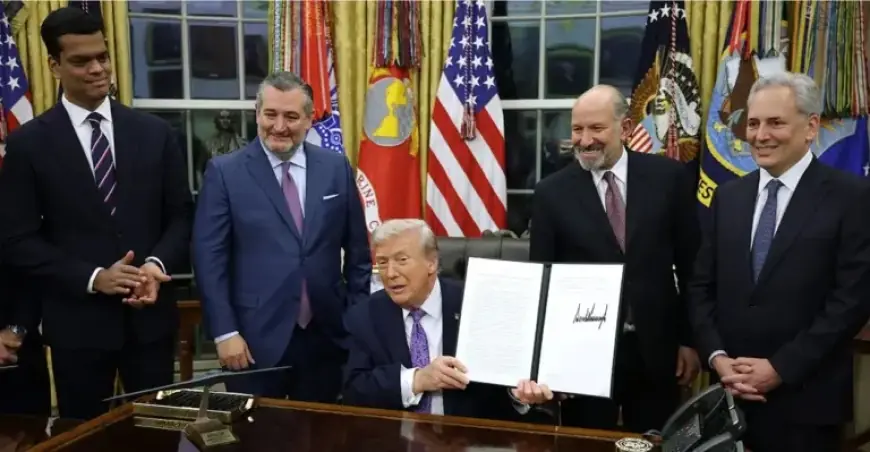
- Donald Trump: Signed an executive order in December 2022, directing the establishment of a federal AI regulatory framework.
- David Sacks: The White House AI czar tasked with overseeing the implementation of AI legislation.
- Ron DeSantis and Josh Hawley: Prominent conservatives expressing concerns about the administration’s approach to AI.
Divisions within the Conservative Coalition
The conservative coalition is fragmented. Key divisions include:
- Free-Market Extremists: Focused on minimal regulation and rapid technological advancement.
- Populist Faction: Prioritizing job protection and support for the manufacturing sector.
- Pro-Family Advocates: Stressing the importance of values, human dignity, and the need for comprehensive input from various societal groups in the AI debate.
Tim Estes, founder of AngelQ, emphasizes that about 80% of the conservative base aligns with a more cautious approach to AI, prioritizing social impacts over accelerationist tendencies.
The Accelerationist Perspective
The accelerationist faction is led by figures like Marc Andreessen, whose venture capital firm, Andreessen Horowitz, is heavily involved in the tech sector. This group pushes for rapid advancements in AI but faces scrutiny for potentially undermining societal safeguards.
Challenges Ahead for Populists
Steve Bannon indicates that the populist coalition is increasingly concerned about how AI might impact job prospects, particularly among younger voters. Polls show a significant drop in Trump’s approval rating among Generation Z, attributed to fears over job displacement.
Pro-Family Concerns
Pro-family advocates argue that AI must be regulated with an emphasis on protecting family values and child welfare. Michael Toscano of the Institute for Family Studies calls for a broader conversation that includes religious and moral perspectives in shaping AI policy.
National Security Matters
Concerns about foreign influence, particularly from China, also complicate the debate. Joshua Hawley has introduced legislation aimed at restricting AI-related technologies in Chinese markets, reflecting the national security coalition’s apprehensions.
Potential Solutions
Senator Marsha Blackburn has introduced the “Trump America AI Act,” aiming to unify conservative factions under a comprehensive AI regulatory framework. This legislation seeks to ensure the protection of children and uphold community values while maintaining innovative potential in the AI sector.
Blackburn notes that every industry faces regulation, and the virtual space should not be an exception. Her focus is on establishing necessary safeguards without stifling technological advancement. Both supporters and critics agree that striking a balance between regulatory oversight and innovation is crucial for the future of AI.