Iran Conflict Drives Persistently High Oil Prices

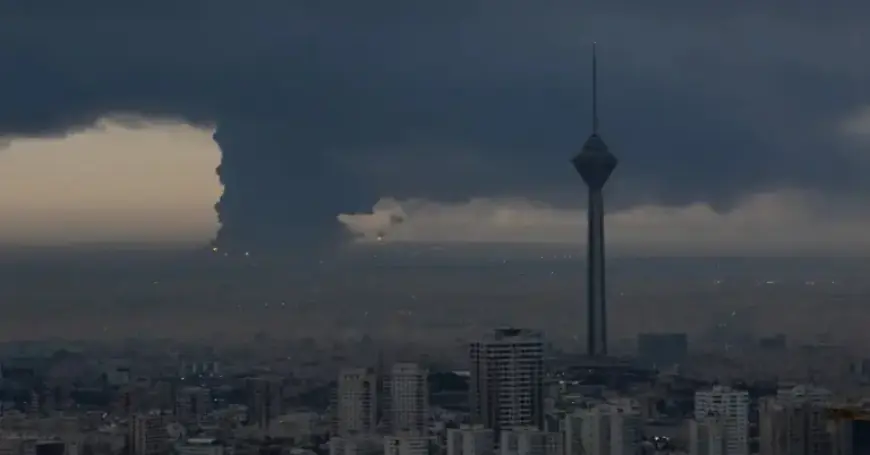
The ongoing conflict in Iran has caused a significant surge in global oil prices, affecting American gasoline costs as well. This situation is prompting U.S. officials to explore various strategies to mitigate the impact on consumers. However, the history of oil price volatility suggests that finding effective solutions is challenging once prices begin to rise.
Impact of the Iran Conflict on Oil Prices
The Iranian conflict has severely disrupted tanker traffic through the Strait of Hormuz, a crucial route that handles approximately 20% of the world’s oil supply. Experts point out that unless this geopolitical crisis is resolved, it will remain difficult to lower oil prices significantly.
Strategies Under Consideration
U.S. officials are evaluating several options to alleviate rising gasoline costs. Potential measures include:
- Releasing oil from the Strategic Petroleum Reserve.
- Suspending federal gasoline taxes.
- Restricting oil exports from the United States.
These options aim to address the supply shock but pose various challenges and consequences. Bob McNally, a former energy advisor, emphasizes the limited effectiveness of quick fixes in the current climate.
Recent Oil Market Statistics
Since the conflict escalated, international crude prices have surged by nearly one-third, recently hovering around $100 per barrel. Meanwhile, U.S. gasoline prices have increased by 17%, averaging approximately $3.50 per gallon. This is the highest level recorded since 2024.
| Statistical Data | Value |
|---|---|
| Increase in International Crude Prices | ~33% |
| Current U.S. Gasoline Price | $3.50 per gallon |
| Number of Ships Attacked in Strait of Hormuz | ~10 |
| U.S. Oil Production (2022) | ~13.6 million barrels per day |
Future Possibilities and Risks
As the conflict continues, the risk of further price increases looms large. Analysts predict that if the situation in the Strait of Hormuz remains unresolved, crude oil prices could potentially soar to $135 per barrel.
The Trump administration is actively searching for ways to stabilize the energy market. Despite potential temporary solutions, the historical precedent suggests that long-term strategies are needed to minimize the impact of future crises.
Conclusion
The Iran conflict’s influence on global oil prices highlights the complexity of energy market dynamics. As U.S. officials consider their next steps, the effectiveness of these measures remains uncertain without a resolution in the region.