Kelly Osbourne Pushes Back After BRIT Awards Backlash

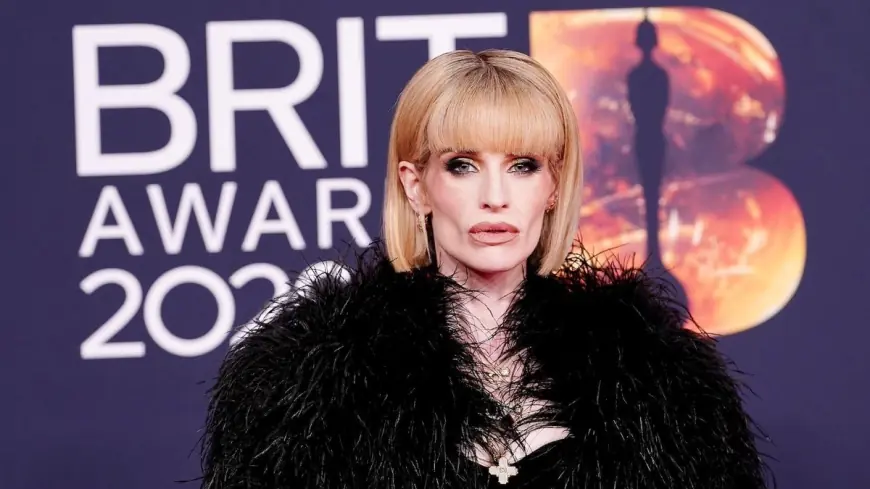
Kelly Osbourne is back in the headlines after turning a red-carpet firestorm into something sharper and more personal: a public refusal to let strangers narrate her body, her grief, or her state of mind for her. The flashpoint came after her appearance at the 2026 BRIT Awards in Manchester on February 28, where she joined Sharon Osbourne to honor Ozzy Osbourne. What followed was a familiar celebrity cycle, but the force of her response changed the story.
The issue was not fashion. It was the speed with which public mourning was flattened into gossip about weight, age, and appearance.
The BRIT Awards Appearance Became the Trigger
Kelly Osbourne arrived at the ceremony during one of the most exposed moments of her public life. The event carried emotional weight before she even stepped onto the carpet. Ozzy Osbourne died in July 2025 at 76, only weeks after his farewell performance, and the family’s first big award-show appearance since then was always going to draw attention.
Instead, the conversation lurched toward her face and body. The reaction spread fast, with online commentary fixating on how she looked rather than why she was there. That mattered because this was not a routine celebrity sighting. It was a daughter appearing in public while still carrying a very visible loss.
Her answer cut through the noise. She described the pile-on as cruelty aimed at someone already going through the hardest stretch of her life. That framing did more than defend her appearance. It challenged the assumption that fame cancels vulnerability.
Why Kelly Osbourne’s Response Landed
Osbourne has spent nearly a quarter-century in public view, starting with reality television and moving through fashion commentary, hosting, music, and culture coverage. She knows how celebrity attention works. She also knows when it turns predatory.
That is why her response landed harder than a standard clapback. She did not just reject body-shaming. She accused the culture around it of dehumanizing people in plain sight. The distinction matters. Criticism of a dress or styling choice is one thing. Treating grief as a spectator sport is another.
There was also a deeper tension underneath the reaction. Osbourne, now 41, has lived for years under public scrutiny tied to her weight and appearance. She has spoken in the past about major weight loss and the pressure attached to every physical change. What made this episode different was timing. The backlash arrived while her family’s bereavement is still raw, which made the commentary look less like idle celebrity chatter and more like opportunism.
The Ozzy Osbourne Shadow Still Shapes the Story
Any Kelly Osbourne headline right now carries Ozzy Osbourne in the background, whether directly named or not. That is unavoidable. He was not only her father but the central force in one of the most recognizable family brands in entertainment. His death changed the balance of that public image overnight.
The BRIT Awards appearance underscored that shift. Kelly and Sharon were no longer orbiting Ozzy’s larger-than-life persona. They were carrying it forward while also trying to absorb what his absence means. That tension was visible before a word was spoken.
It also helps explain why the reaction to the backlash has been so strong. There is little patience for turning a memorial-adjacent appearance into a referendum on someone’s weight. The public may remain fascinated by transformation stories, but grief has its own gravity, and people can tell when a line has been crossed.
What This Means for Her Public Image
For years, Kelly Osbourne’s image has swung between reinvention and resistance. She has changed her look, changed her career lanes, and changed how much of herself she is willing to explain. What has stayed constant is the idea that she is always somehow available for public inspection.
This moment may harden that boundary. Her latest remarks were not polished brand management. They read like someone drawing a perimeter after too many strangers assumed access. That can alter how the next phase of her public life unfolds, especially if she chooses fewer appearances or becomes more selective about where and how she speaks.
It also puts pressure on the wider celebrity ecosystem. The same machine that rewards candor often punishes the person who offers it. Osbourne’s response exposed that contradiction with unusual clarity.
Where the Story Moves Next
The immediate uproar will fade. Search spikes always do. What tends to last is the frame, and Kelly Osbourne has now set one that is harder to dismiss: public commentary about her appearance is no longer just rude, it is inseparable from a period of family loss.
That leaves a more consequential question hanging over the story. If a figure as media-literate as Kelly Osbourne still has to fight for basic humanity in the middle of grief, the problem is not celebrity culture at the edges. It is the center of it.