
























Donald Trump’s Economy: A Year in Review with 7 Key Charts

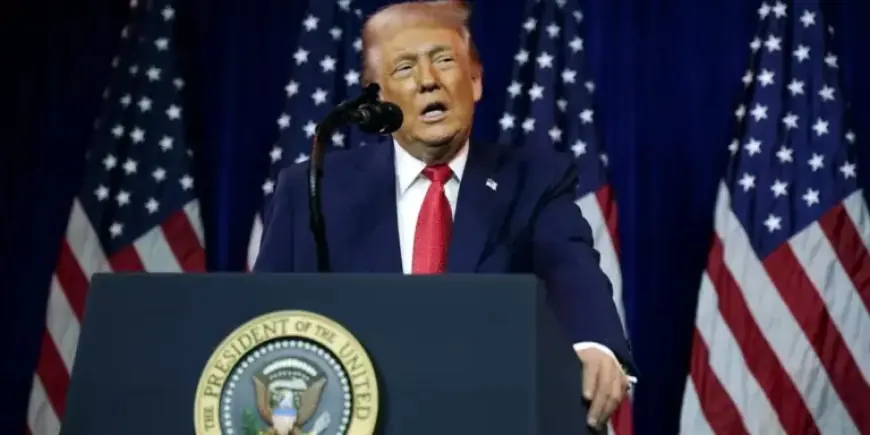
Donald Trump began his second term as president on the anniversary of his 2025 inauguration. This period brought significant changes in economic policies concerning trade, immigration, and the federal workforce. Experts noted an atmosphere of uncertainty, affecting consumer behavior and job growth.
Impact of Trump’s Economic Policies
The last year under President Trump has been marked by dramatic shifts in the economy, including rising tariffs and changes in federal employment. Elizabeth Renter, a senior economist at NerdWallet, highlighted how uncertainty over policy changes has created challenges for consumers and small businesses.
- Job growth was historically low, with only 584,000 jobs added in 2025.
- Federal employment decreased by 9% compared to the previous year.
- Manufacturing employment fell by 0.5% from December of the previous year.
Economic Statistics and Trends
Jason Draho from UBS Global Wealth Management identified that major economic policies had already been put in place during Trump’s first year. Key policies included tariff adjustments and significant tax cuts under the One Big Beautiful Bill. In 2025, economic growth indicators such as real GDP showed resilience. GDP grew in the second and third quarters after an initial decline in the first quarter.
Gregory Daco, chief economist at EY, noted that while GDP indicators were positive, they masked a jobless expansion. The slower job market may also lead to decreased consumer spending. According to Renter, prolonged uncertainty in the labor market could tighten household budgets significantly.
Tariffs and Inflation Rates
The effective tariff rate has reached its highest point in decades. Increases in tariffs dating back to previous trade wars have influenced import costs and overall inflation. The inflation rate, having surged to around 9% in 2022, decreased in early 2025 but remained above the Federal Reserve’s 2% target.
- Tariffs have been placed on various goods, including wines, cars, and furniture.
- Discussions about the legality of tariffs are ongoing in the Supreme Court.
Consumer Spending Trends
Despite economic uncertainty, consumer spending displayed a “K-shape” recovery. Wealthier households continued to spend, benefiting from stock market gains and rising home values, while lower-income households reduced their expenditures. This spending pattern indicates an imbalance in the economic recovery under Trump’s administration.
In conclusion, the first year of Donald Trump’s second term has been characterized by unique economic challenges and transformations. These changes continue to shape the economic landscape as the nation moves forward.