

























Trump’s Energy Promises Reviewed One Year Later: NPR Analysis

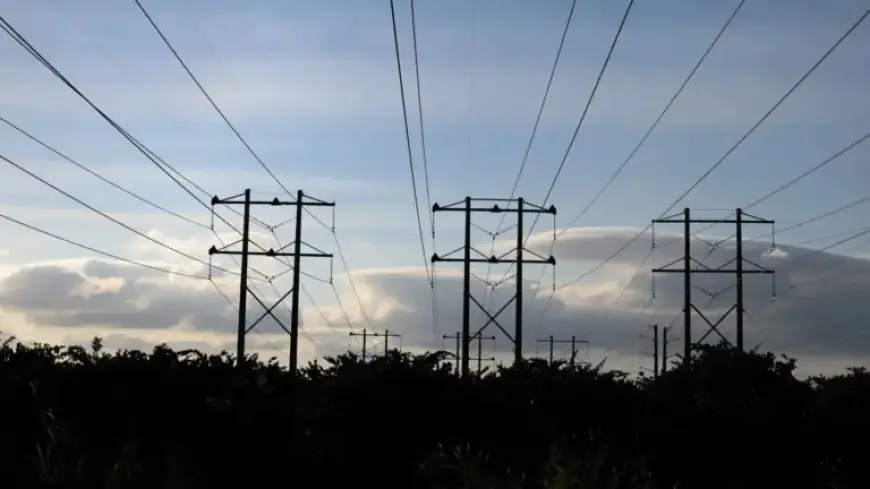
In the wake of the Trump administration’s energy promises, a review highlights mixed outcomes one year later. President Trump pledged to significantly reduce energy bills, specifically aiming to cut them in half through policies that would lower gasoline and electricity costs.
Gasoline Prices Decline
Over the past year, gasoline prices have experienced a decline of approximately 20%. Currently, the national average price for a gallon of gas reflects this decrease.
- National AverageGasoline Price: Down 20% compared to last year.
- Annual Savings: American households saved an average of $177 on gasoline in 2025.
- Projected Savings: Americans could save an additional $11 billion in 2026.
Although prices have dropped, the oil industry is less inclined to ramp up drilling. The profitability of drilling has been affected by low global crude prices, influenced significantly by OPEC+’s market strategies.
Drilling Activity and Industry Response
Despite Trump’s strong advocacy for increased oil production with the slogan “Drill, baby, drill,” the number of active drilling rigs in the U.S. fell by more than 6% year-over-year. This decline suggests a reluctance to invest in new wells, primarily due to an oversupplied market and prices not exceeding $60 a barrel.
- Active Drilling Rigs: Decreased by over 6% year-over-year.
- Oil Prices: Remain under $60 a barrel.
Electricity Costs on the Rise
In stark contrast to gasoline prices, electricity costs have been climbing. Analysts report significant increases in wholesale prices across various regions, with New York and New England experiencing rises exceeding 60%.
- Electricity Price Increases: New York and New England: up 60%; Mid-Atlantic: up 45%.
- Households Struggling: Over 80 million Americans face difficulties paying utility bills.
The rise in electricity rates can be attributed to several factors, including an aging power grid, higher natural gas prices, and the impact of natural disasters. Natural gas prices, which have surged over 50% in the past year, have directly influenced electricity costs.
Impact of Natural Gas Prices
As natural gas is increasingly exported, domestic supply diminishes, driving up local prices. While oil prices dropped, natural gas prices have fluctuated drastically, particularly following the geopolitical tensions surrounding the Ukraine invasion.
Experts cite the lack of focus on reducing natural gas costs within the Trump administration’s policies as a significant oversight. The administration has not prioritized innovations that could lead to more efficient energy use or improved grid infrastructure.
Policy Decisions and Future Prospects
The Trump administration’s electric policy has leaned towards reversing Biden-era climate measures. By extending the operation of coal-powered plants and reducing support for renewable energy investments, it has inadvertently contributed to rising costs.
Critics argue that solutions to lower energy prices, such as investing in renewable energy infrastructure and enhancing efficiency standards, were ignored. This approach may hinder potential relief for consumers in the future.
As the administration contemplates fair electricity pricing for burgeoning AI data centers, the outcome of Trump’s energy promises remains unfulfilled. The current landscape suggests that without a focused strategy on efficiency and renewable energy investments, energy bills for Americans may continue to escalate.