






















Comparing Nasdaq Elite to S&P Roster: QQQ vs. RSP Analysis

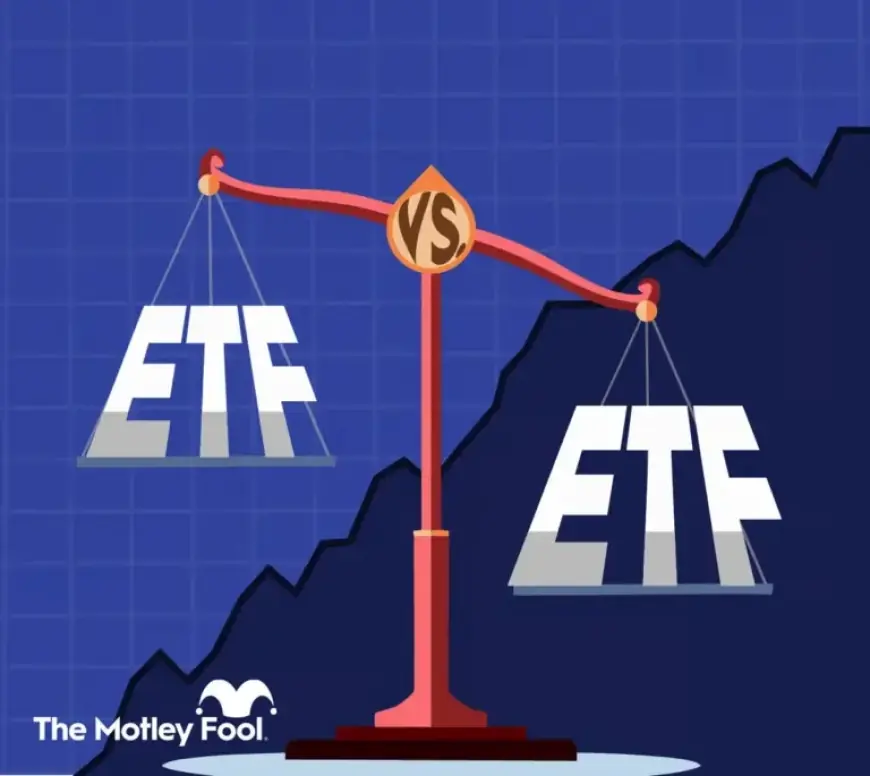
The Invesco QQQ Trust (QQQ) and the Invesco S&P 500 Equal Weight ETF (RSP) are two prominent exchange-traded funds (ETFs) managed by Invesco. Although both funds have substantial assets and nearly identical expense ratios, they exhibit significant differences in risk, sector exposure, and income potential.
Comparing QQQ and RSP: Key Metrics
Investors should look closely at specific metrics to understand how these ETFs compare:
| Metric | QQQ | RSP |
|---|---|---|
| Issuer | Invesco | Invesco |
| Expense Ratio | 0.18% | 0.20% |
| 1-Year Return (as of 2026-01-09) | 23.6% | 14.1% |
| Dividend Yield | 0.4% | 1.6% |
| Beta | 1.15 | 0.96 |
| Assets Under Management (AUM) | $412.7 billion | $78.7 billion |
Sector Exposure and Risk Profile
QQQ predominantly focuses on technology, often tilted toward large-cap companies, with over half its portfolio in this sector. Major holdings include well-known names such as Apple, Microsoft, and Nvidia, which constitute over 23% of its assets. In contrast, RSP maintains a more diversified approach by holding approximately 505 stocks from the S&P 500, with each stock equally weighted. This strategy helps to spread risk across various sectors, such as Technology, Industrials, and Financial Services.
The maximum drawdown over five years highlights this difference: QQQ experienced a decline of 35.12%, while RSP saw a lesser decline of 21.37%. This indicates that QQQ’s concentrated tech exposure introduces greater volatility.
Performance Overview
Over the past year, QQQ has delivered an impressive return of about 24%, significantly outpacing RSP’s 14% gain. This performance can largely be attributed to the strong results from technology stocks. Currently, QQQ has approximately $412 billion in assets, well ahead of RSP’s $78 billion, showing its popularity among investors seeking growth from the tech sector.
Investment Considerations
- QQQ: Ideal for investors targeting higher growth and willing to accept greater volatility.
- RSP: Best suited for those favoring diversification, a higher yield, and risk reduction.
The choice between QQQ and RSP ultimately hinges on each investor’s priorities. Those gravitating towards superior recent performance and tech exposure may favor QQQ. Conversely, individuals seeking a steadier, income-focused investment are likely to prefer RSP.
Understanding Key Terminology
Familiarizing yourself with several terms can enhance your investment strategy:
- ETF: A fund that holds a basket of assets, traded like a stock.
- Expense Ratio: The annual fee charged as a percentage of the invested assets.
- Beta: A measure of price volatility compared to a benchmark like the S&P 500.
Investors should consider these aspects while evaluating ETF options. For further insights on investing in ETFs, visit Filmogaz.com.