






















Trump Pardon Controversy Escalates Amid Growing Criticism

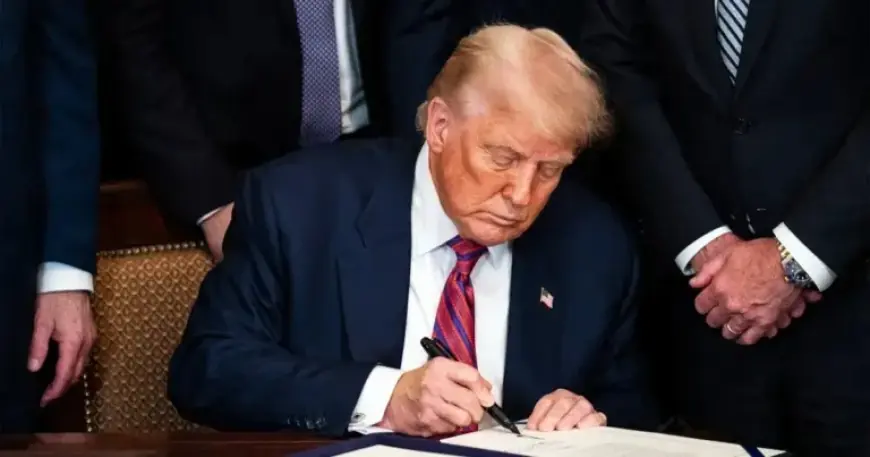
The controversy surrounding presidential pardons during Donald Trump’s second term has intensified. Concerns have arisen about whether pardons are being traded for political donations. Reports indicate a burgeoning industry where lobbyists claim prices can reach $1 million for securing pardons. This revelation has sparked significant public outcry and scrutiny.
Escalating Criticism Over Pardons
Recent investigations have revealed troubling connections between political donations and presidential clemency. A Wall Street Journal article highlighted this issue, suggesting lobbyists associated with Trump were tying donations to pardons. This has raised ethical questions about the motives behind such presidential decisions.
Case Study: Julio Herrera Velutini
A prominent example involves Julio Herrera Velutini, a Venezuelan-Italian banker facing felony bribery charges. In late 2024, his daughter, Isabela Herrera, donated $2.5 million to MAGA Inc., a super PAC supporting Trump. Following this, her father received a favorable plea deal negotiated by his attorney Christopher M. Kise, who once served on Trump’s legal team.
- Donation Timeline:
- Late 2024: Isabela Herrera donates $2.5 million to MAGA Inc.
- Two months later: She donates an additional $1 million.
- Result: Trump pardons Julio Herrera shortly afterward.
Despite claims from the White House that these donations did not influence the pardon, the timing raises serious concerns. Peter Baker of The New York Times summarized the situation, highlighting how donations coincided with the leniency shown by the Justice Department towards Herrera.
Historical Context
This controversy echoes past instances of questionable pardons. In 2008, President George W. Bush revoked a pardon for Isaac Robert Toussie after discovering the individual’s father had made substantial contributions to the Republican Party. This suggests a shift in standards over the years.
As scrutiny grows over pardons issued during Trump’s administration, public perception continues to worry about the blurred lines between financial contributions and judicial clemency. The advancing criticism signals a pivotal moment in American political ethics.