

























“Warhammer’s Rise: From Board Game to British Business Giant”

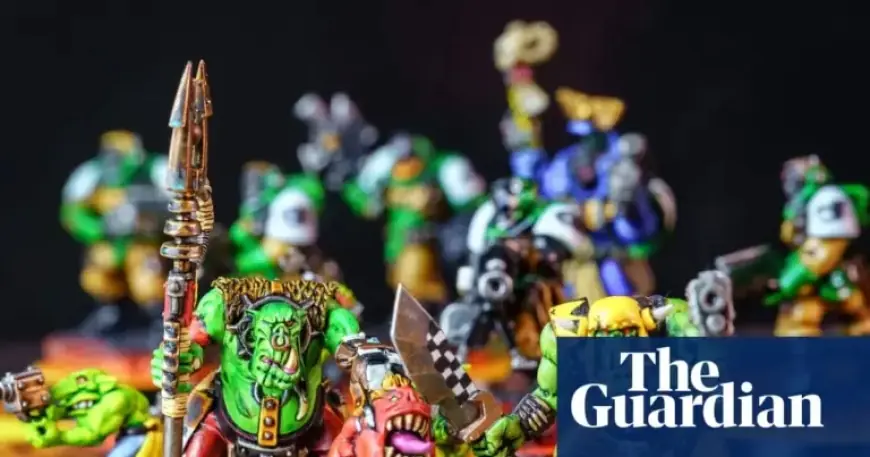
Warhammer, a renowned tabletop gaming franchise, has transformed from a niche board game into a prominent British business powerhouse. Its parent company, Games Workshop, has achieved a remarkable valuation of £6 billion, marking its presence on high streets across the UK.
From Humble Beginnings to Business Giant
Founded in 1975 by Ian Livingstone, Steve Jackson, and John Peake, Games Workshop began as a mail-order board game company. By 1991, Livingstone had sold his shares, but the company continued to thrive, becoming a staple in both the gaming community and the entertainment sector.
Enduring Appeal and Cultural Impact
The rise of Warhammer coincides with significant changes in consumer attitudes towards gaming. Sir Ian Livingstone notes that gaming, whether digital or physical, has become mainstream. Celebrities like Henry Cavill and Ed Sheeran further enhance its appeal, showcasing that gaming transcends mere entertainment.
- Henry Cavill: Upcoming star of Amazon’s Warhammer adaptation
- Ed Sheeran: Renowned musician and Warhammer enthusiast
- Vin Diesel: Fast & Furious actor and fan of the franchise
The Hobby and the Community
Warhammer offers more than just gameplay; it provides a rich hobby experience. Players engage in painting detailed miniatures, mastering rules, and building narratives. This immersive aspect helps forge strong bonds within the gaming community.
Games Workshop delivers an experience rather than just merchandise. Knowledgeable staff offer guidance, while gamers cultivate friendships during game nights. This community aspect contributes significantly to customer loyalty.
Commercial Success and Future Prospects
With a business model that maintains control over the entire supply chain, Games Workshop has successfully catered to its fan base. Recent years have seen a boost in revenues, driven by global demand for its products. Douglas Brown, a professor of games, emphasizes the company’s talent for leveraging geek culture for commercial success.
As the 77th largest company in the UK by market capitalization, Games Workshop has grown to be more valuable than various notable British brands, including Burberry and Whitbread.
Inclusivity and Growth
The gaming community, historically male-dominated, is witnessing an increase in female participation. Mike Ryder, an academic at Lancaster University, highlights the changing demographics aided by the popularity of franchises like Marvel and Game of Thrones, which have reshaped societal perceptions of gaming culture.
With plans for a Warhammer World in the U.S. and an anticipated Amazon series, the franchise is poised for further growth, inviting a new audience into its expansive universe. Charles Hall, a research head at Peel Hunt, points out that hobbies are now seen as essential expenses, making Warhammer models accessible luxuries for many enthusiasts.
A Unique Community Connection
Players establish deep emotional connections with Warhammer. Euan Bennington, treasurer of the Warhammer Society at Derby University, mentions the sense of belonging that comes from engaging with like-minded individuals. This camaraderie offers a space for neurodivergent individuals to socialize comfortably, with a focus on passionate discussions rather than casual small talk.
In conclusion, Warhammer represents a fascinating evolution from a humble board game to a major player in the global entertainment industry, with Games Workshop leading the way.