Kamchatka, Russia Snow Storm 2026: Record Snowfall Buries Petropavlovsk-Kamchatsky Under Massive Drifts

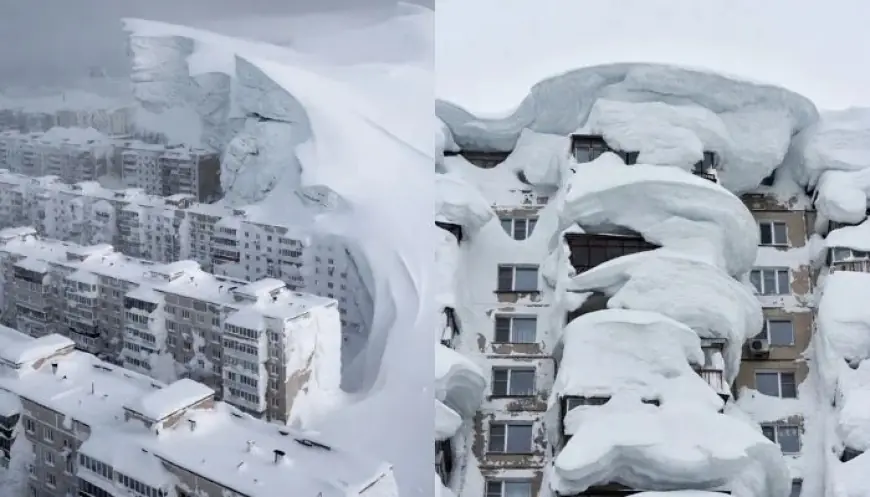
Kamchatka is digging out from one of its most intense winter blowups in decades after back-to-back storms dumped extraordinary snowfall across the peninsula in early January 2026. In Petropavlovsk-Kamchatsky and surrounding districts, snowbanks rose to the height of traffic lights in places, entrances vanished behind walls of packed snow, and transport disruptions rippled through daily life. The scale is being described locally as exceptional even by Far East standards.
The latest reports indicate accumulations topping two meters in parts of Kamchatka during the first half of January, on top of an already heavy December, creating compounding drifts that turned streets into narrow, hand-dug corridors and left vehicles entombed for days or longer.
Kamchatka snow: what made this storm so extreme in 2026
Kamchatka routinely sees big winter weather, but this event stood out because it arrived in waves and didn’t give the region time to recover between systems. Measured totals cited by weather monitoring and local briefings point to:
-
More than 2 meters of snow in parts of the peninsula during early-to-mid January 2026
-
December snowfall already running far above typical monthly averages
-
Citywide snow depth around 170 centimeters in Petropavlovsk-Kamchatsky, with drifts exceeding 2.5 meters in some neighborhoods
That combination matters. When fresh snow piles onto an existing base, plows can’t “reset” the network; they’re forced into constant widening, hauling, and reopening just to keep a single lane functioning. Wind then does the rest, building dense, concrete-like ridges that can swallow cars and block doors within hours.
-
Snow depths exceeded two meters in multiple areas, with drifts reported above 2.5 meters in the worst-hit neighborhoods.
-
Daily life in Petropavlovsk-Kamchatsky slowed to a crawl as roads narrowed, entrances blocked, and parked vehicles became trapped.
-
Transport disruption spread quickly: road closures, flight delays or cancellations, and reduced public transit and school schedules.
-
Heavy snow loading on roofs became a major hazard, triggering emergency calls and inspections; investigations into snow-clearing compliance were launched in some cases.
-
While the cleanup is accelerating, uneven access to food deliveries and essential services remains the key pressure point for residents.
Russia snow storm impacts: transport, schools, supplies, and safety
The most visible impact has been mobility. In many districts, the immediate goal wasn’t “clear roads” but “create a path” so ambulances, utility teams, and supply vehicles could move at all. Residents in apartment blocks have been shoveling tunnels to entrances, digging out stairwells, and clearing vents and windows to keep buildings safe.
Air and ground transport have also been hit. When snowfall is this deep, the bottlenecks aren’t only on highways; they show up at depots, runways, and loading zones. Even when main roads reopen, secondary streets remain impassable, preventing deliveries from reaching shops and neighborhoods consistently.
Safety concerns shifted as the storm matured. After the first urgency of road access comes the structural risk: roofs, awnings, and overhangs accumulate heavy, wet snow. In recent days, authorities have treated roof clearing as a frontline task alongside street clearance, and there have been reports of fatalities linked to falling roof snow. Details around individual incidents are still developing, but the hazard itself is not in doubt.
Snow in Russia: why Kamchatka is especially vulnerable to “snow wall” events
Kamchatka’s geography amplifies winter extremes. The peninsula sits where cold continental air can collide with moisture-rich systems moving off the Pacific and nearby seas. When low-pressure systems stall or arrive in quick succession, the result isn’t just steady snow, but repeated bursts of heavy precipitation combined with wind-driven drifting.
Urban design plays a role too. In dense residential zones, wind funnels between buildings and piles snow into deep berms. That’s how you get the viral “snow walls” effect: the snowfall total is enormous, but the drift pattern makes it look even more surreal, with snow stacked like sand dunes against high-rises.
A similar dynamic has played out in previous severe winters in Russia’s Far East: when multiple cyclones arrive close together, cleanup resources get stretched, and the risk shifts from inconvenience to infrastructure strain, roof hazards, and supply disruptions.
What happens next in Kamchatka after the 2026 snowstorm
The near-term outlook hinges on two practical signals: whether new storm pulses arrive, and how fast the region can restore reliable logistics. If calmer weather holds, the priority list is predictable: widen key corridors, haul snow out of central districts, clear roofs systematically, and stabilize delivery routes for essentials. If another strong system moves in, the region could see a repeat of the same choke points, with newly cleared routes rapidly re-buried.
For residents, the most important precautions remain straightforward: avoid walking close to building edges during active roof clearing, keep exits and vents open, and treat drifts as unstable terrain, especially near roads where plows create steep, compacted banks. For officials, the test is endurance: sustained, coordinated clearing over days, not hours, is what determines how quickly Kamchatka returns to normal routines.
FAQ
How much snow fell in Kamchatka in January 2026?
Totals cited in recent official and meteorological summaries indicate over two meters in parts of the peninsula during the first half of January, with extreme drifting in urban areas.
Which city was hit hardest by the Kamchatka snow?
Petropavlovsk-Kamchatsky has been the focal point of the disruption, with deep citywide snow cover and localized drifts higher than vehicles and first-floor windows.
Are flights and roads still affected by the Russia snow storm?
Yes. Even as main routes reopen, delays and intermittent closures can persist because secondary streets, depots, and loading areas take longer to restore after exceptional snowfall.
The coming days are about momentum: if clearing operations stay ahead of fresh accumulation, Kamchatka can transition from emergency digging to full snow removal and roof safety checks. If the weather stacks another storm on top, the same vulnerabilities—drifts, logistics, and roof hazards—will decide how disruptive this winter remains.