Daylight Saving Time 2026: Clocks Spring Forward TONIGHT — Here's Everything You Need to Know

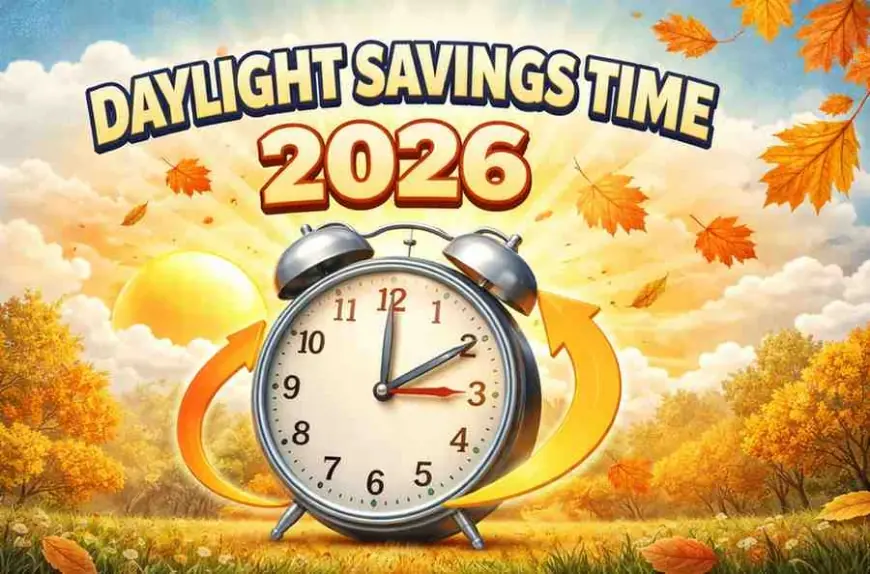
It is happening tonight. Daylight saving time 2026 officially begins on Sunday, March 8, and most Americans will lose one hour of sleep as clocks spring forward. Here is the complete guide to the 2026 time change — when it happens, what changes, and who is exempt.
When Do the Clocks Change in 2026?
Daylight saving time begins on Sunday, March 8, 2026, at 2:00 a.m. Clocks are set forward one hour, losing an hour. Sunrise and sunset will be about one hour later than the day before, and there will be more light in the evening.
To avoid any unnecessary stress on Sunday, set all your clocks ahead one hour before you go to bed Saturday night — including the one in your car if it does not change automatically. Most smartphones will update themselves when daylight saving time begins.
Do We Lose an Hour on March 8?
Yes. Most Americans will lose an hour Sunday as clocks jump from 2:00 a.m. directly to 3:00 a.m. local time. By shifting clocks forward, daylight saving time effectively moves an hour of daylight from the morning to the evening.
Since daylight saving time always falls on the second Sunday of March — and because March 1 also falls on a Sunday this year — March 8 is the earliest possible date DST could occur in 2026.
When Does Daylight Saving Time End in 2026?
Daylight saving time will end on the first Sunday of November, which this year falls on November 1, when clocks "fall back" by one hour. DST will be in effect for a total of 238 days in 2026.
| Event | Date | Time |
|---|---|---|
| Spring Forward (DST Begins) | Sunday, March 8, 2026 | 2:00 a.m. → 3:00 a.m. |
| Fall Back (DST Ends) | Sunday, November 1, 2026 | 2:00 a.m. → 1:00 a.m. |
Which States Do NOT Observe Daylight Saving Time?
Hawaii and Arizona — with the exception of the Navajo Indian Reservation — are the only two U.S. states that do not observe daylight saving time. The U.S. territories of Puerto Rico, Guam, American Samoa, and the U.S. Virgin Islands also do not follow daylight saving time.
Health Effects of the Spring Time Change
Darker mornings and more evening light knock your body clock out of whack, meaning daylight saving time can usher in sleep trouble for weeks. Fatal car crashes temporarily jump in the first few days after the spring time change, with the risk highest in the morning due to sleep deprivation. The American Heart Association points to studies that suggest an uptick in heart attacks on the Monday after daylight saving time begins, and in strokes for two days afterward.
To ease the transition, gradually shift your bedtime 15 to 20 minutes earlier for several nights before the change, get outside for early morning sunshine that first week, and move daily routines like dinner and exercise earlier to help cue your body to adapt.
Will Daylight Saving Time Be Eliminated?
There have been several ongoing proposals calling for an end or adjustment to daylight saving time, including the recently introduced Daylight Act of 2026, which calls for modifying clocks by only half an hour rather than a full hour. As the debate continues, the annual practice of changing the clocks will continue for the foreseeable future.