Iran’s Leadership Fractures Amid Intense Bombardment

Recent developments in Iran reveal significant internal fractures within the leadership structure, specifically in the context of escalating military conflict. The ongoing bombardment by U.S. and Israeli forces is intensifying these divisions as the country grapples with an identity crisis amid existential threats.
Leadership Tensions Amid Military Strikes
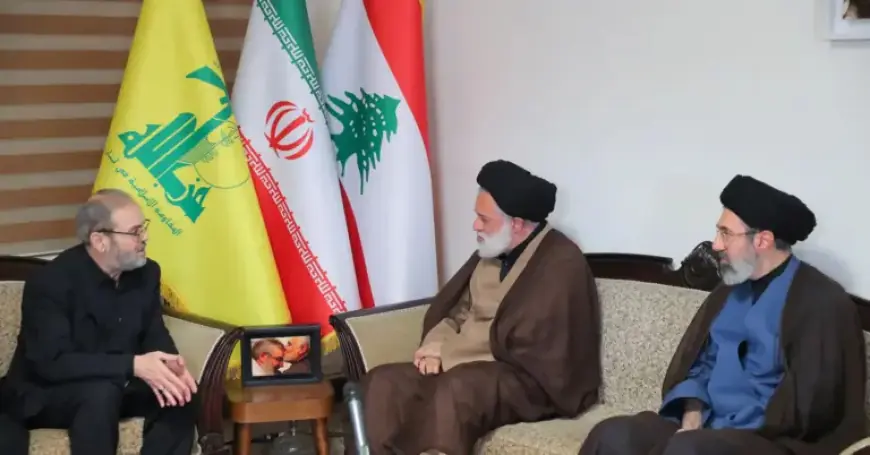
On October 1, 2024, Mojtaba Khamenei, the son of the late Supreme Leader Ayatollah Ali Khamenei, visited Hezbollah’s office in Tehran. This visit comes during a period of heightened tension within Iran’s leadership as the nation faces mounting pressure from military strikes.
Divisions in the Ruling Elite
Iran’s leadership is experiencing visible cracks following the death of Ayatollah Khamenei. The recent statement from President Masoud Pezeshkian, which apologized to Gulf states for alleged attacks, sparked swift backlash from hardliners. This incident exposed underlying factional tensions between conservative elements and more pragmatic voices within the government.
- Pezeshkian’s statement was criticized by hardliners, including cleric Hamid Rasai, highlighting fractures within the ruling elite.
- Many military leaders are reportedly dissatisfied with Pezeshkian’s conciliatory approach, viewing it as a retreat.
Calls for a New Supreme Leader
Following Khamenei’s death, there have been growing calls from senior clerics to expedite the selection of a new supreme leader. This urgency reflects fears about maintaining unity amid rising tensions. Observers speculate that Mojtaba Khamenei is a leading candidate for succession, but concerns linger about his ability to unite the factions and command loyalty from the Revolutionary Guards.
The Role of the Revolutionary Guards
The Islamic Revolutionary Guard Corps (IRGC) is gaining influence in strategic decision-making as Iran faces external threats. This shift emphasizes a departure from traditional civilian authority, placing military leaders at the forefront of policy responses.
- The IRGC’s voice is becoming more prominent in wartime strategy.
- Internal disagreements suggest a struggle for control between military hardliners and political leaders.
Implications for the Future
This ongoing instability could affect Iran’s ability to respond effectively to external pressures and maintain its revolutionary character. As factions vie for power, the broadly unified front that once characterized the Islamic Republic is showing signs of deepening division, threatening both national cohesion and regional stability.
In summary, as the Iranian leadership navigates this turbulent landscape, the embroiled factions within its hierarchy will significantly shape the country’s future trajectory amidst intensifying military confrontations.