















Black Panther Party Rallies in Philly Amid Minneapolis Shooting Concerns

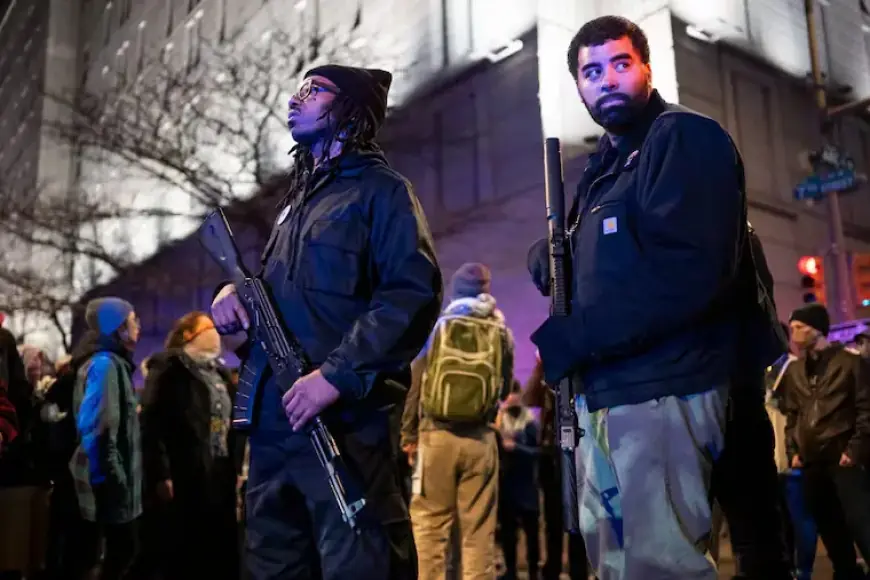
In recent weeks, a local faction identifying with the Black Panther Party has gained visibility in Philadelphia. This resurgence echoes the original Black Panther Party founded in the 1960s, which sought to combat systemic racism and police brutality. Recent events, particularly a shooting incident involving U.S. Immigration and Customs Enforcement (ICE) officials in Minneapolis, have sparked heightened concern and activism.
Activism Amid Violence: Philadelphia Rallies
The Philadelphia chapter of the Black Panther Party held a rally in response to the fatal shooting of 37-year-old Renee Nicole Good by ICE officer Jonathan Ross. This incident has prompted national outrage and protests, as many people share videos online depicting the event.
Local Response to National Crisis
- Paul Birdsong, the national chairman of the Black Panther Party, attended the protest.
- Birdsong claimed the presence of the group could have prevented such violence.
- The party aims to see ICE abolished and hold the Trump administration accountable for ongoing issues.
Activists emphasize that community safety and support are crucial as tensions rise. Birdsong stated, “You got people that are part of a cabal, that are self-serving.”
Community Initiatives by the Black Panther Party
In addition to protests, the Black Panther Party organizes food programs in North Philadelphia. These initiatives have been underway for several years, showcasing the group’s commitment to community service.
- Regular food distribution occurs outside the Church of the Advocate at 18th and Diamond Streets.
- Items distributed include fruits, vegetables, canned foods, and hygiene products.
- Funding for these programs comes from members’ paychecks and community donations.
Resurgence and Community Engagement
This chapter boasts fewer than 100 members, trained by surviving members of the original Black Panther Party. Birdsong highlighted their connection to both local history and contemporary activism.
Many community members express appreciation for the food program’s efforts. Dawn Henkins, a local resident, commented on its importance for older folks on fixed incomes, saying, “The brothers can help people — they are here for the people.”
Historical Context of the Black Panther Party
The original Black Panther Party, founded by Bobby Seale and Huey P. Newton in Oakland, California, played a pivotal role in the fight against racial injustices. This group focused not only on police brutality, but also on reform in education, healthcare, and housing.
Legacy of Resistance
Throughout its existence, the party faced significant opposition from government authorities, including J. Edgar Hoover’s FBI, which aimed to dismantle its influence. Despite this, the legacy of the Black Panther Party continues to shape discussions around civil rights and community empowerment.
The Philadelphia chapter has connections to prominent figures in the movement, including Sultan Ahmad and Paula Peebles, who have both contributed to local activism.
Contemporary Challenges and Perspectives
Members of the Black Panther Party in Philadelphia have adopted a controversial stance by carrying firearms during community events. While legal under specific regulations, this tactic remains divisive among civil rights advocates who stress the need for nonviolent protest.
Despite differing opinions, Birdsong asserts a commitment to safety, stating, “We feel safe. No police, no drug dealers doing anything to us here.” This represents the ongoing struggle of a group determined to uplift and protect their community.
As the Black Panther Party for Self-Defense continues its efforts in Philadelphia, it faces both contemporary challenges and historical legacies. The community remains engaged, and discussions about safety, justice, and accountability are more relevant than ever.