Airlines Raise Fares Amid Fuel Cost Surge; Shares Steady

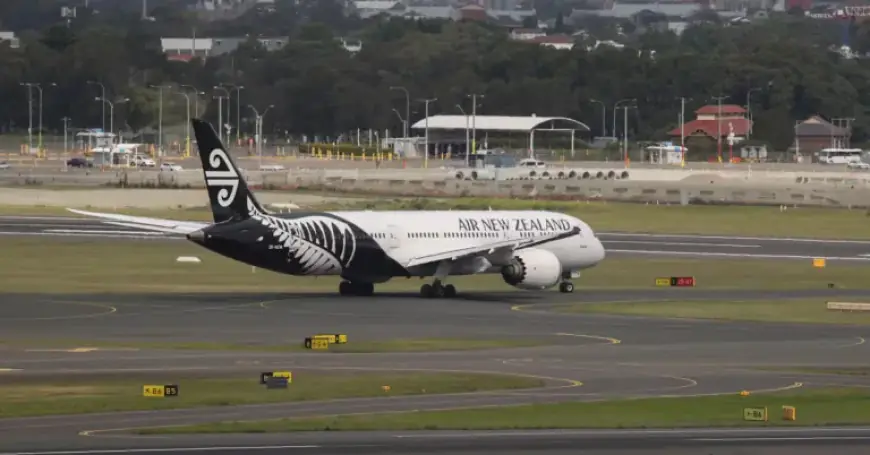
Airlines are facing rising pressures to increase ticket prices as jet fuel costs soar amid ongoing geopolitical tensions. Air New Zealand recently announced fare hikes, marking a broader trend in the aviation sector.
Airlines Raise Fares Amid Fuel Cost Surge
On March 10, 2023, Air New Zealand disclosed a raise in fares to mitigate the impact of skyrocketing fuel prices. The airline indicated that the ongoing conflict in the Middle East has significantly affected oil prices, which now range from $150 to $200 per barrel. This increase is notable, considering prices were previously around $85 to $90 per barrel.
Air New Zealand’s Fare Increases
In response to the fuel cost surge, Air New Zealand has adjusted its pricing structure:
- Domestic one-way economy fares increased by NZ$10 (approximately $5.92).
- Short-haul international routes saw a rise of NZ$20.
- Long-haul flights increased by NZ$90.
The airline has temporarily suspended its financial outlook for 2026, highlighting the uncertainty created by the conflict.
Implications for the Aviation Sector
As airlines globally react to rising operational costs, some Southeast Asian carriers are also taking action. For instance, Vietnam Airlines has requested the removal of an environmental tax on jet fuel. They highlight a staggering 60% to 70% increase in operating costs attributed to the rising prices of jet fuel.
Stabilizing Airline Shares
Although airline stocks initially faced a selloff, they began to stabilize after comments from U.S. President Donald Trump suggested a potential resolution to the conflict. This resulted in oil prices dropping to around $90 a barrel from a high of $119.
Performance of Key Airlines
Airline shares in Asia showed moderate gains:
- Air New Zealand rose by 2%.
- Korean Air increased by 8%.
- Qantas Airways experienced a gain of 1.5%.
- Cathay Pacific improved by over 4%.
Cathay Pacific has already implemented fuel surcharges on transcontinental flights, which they review monthly based on jet fuel pricing. Fuel expenses typically constitute a significant portion of airline operating costs, ranging from 20% to 25%.
Global Travel Industry Risks
The current conflict poses a significant threat to the global travel sector. Airlines are adjusting routes and schedules to avoid conflict zones, impacting flight availability and capacity.
Tourism Forecasts
Travel agencies, like South Korea’s HanaTour Service, are suspending tours linked to the Middle East, waiving cancellation fees for affected customers. The Thai Ministry of Tourism warns that if conflicts persist beyond eight weeks, the country could lose around 595,974 tourists and 40.9 billion baht (approximately $1.29 billion) in tourism revenue.
In summary, as fuel costs rise sharply due to geopolitical unrest, airlines like Air New Zealand are forced to implement fare increases. The ripple effects on the travel industry may lead to broader implications for tourism and air travel globally.