Alberta Faces Renewed Pressure to Halt Fuel Tax Amid Rising Oil Prices

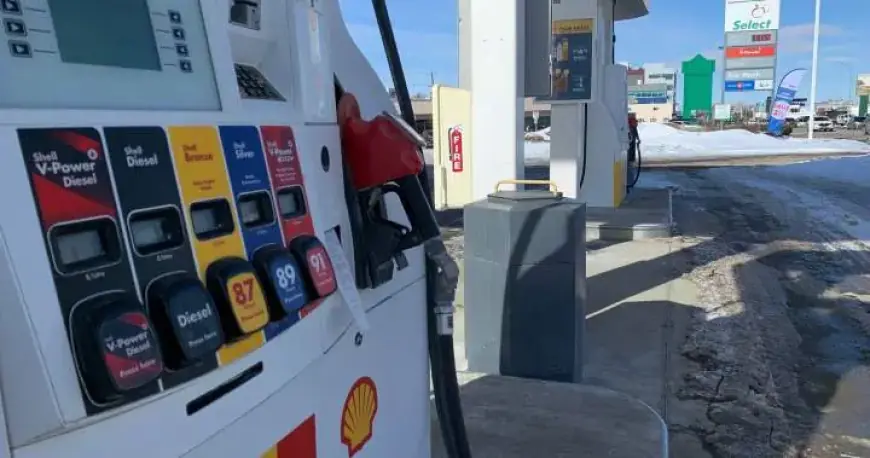
Amid rising oil prices, Alberta is facing renewed pressure to reevaluate its fuel tax policies. The fluctuating nature of global oil markets has prompted officials to scrutinize the province’s fiscal stance.
Recent Oil Price Trends
West Texas Intermediate (WTI) oil prices peaked at nearly US$120 per barrel over the weekend. This surge reflects a significant rise compared to the USD$60 level before recent geopolitical events involving Iran on February 28.
Impact on Fuel Prices
As oil prices increase, so do gasoline and diesel prices. In Alberta, regular gasoline soared to approximately CAD$1.50 per litre last week, while diesel prices jumped by about 40 cents. Such increases are concerning as they have the potential to escalate overall living costs.
Alberta’s Fuel Tax Policy
Alberta Finance Minister Nate Horner highlighted challenges in addressing tax measures due to ongoing volatility. The province’s fuel tax stands at 13 cents per litre for regular gasoline, while marked gasoline and diesel are taxed at four cents per litre.
Current Fuel Tax Relief Program
The relief program activates under specific price conditions:
- If WTI averages above USD$90, the fuel tax is suspended.
- For prices between USD$85 and USD$89.99, a partial tax of 4.5 cents applies.
- For prices between USD$80 and USD$84.99, a nine cents tax is enforced.
- Tax is fully reinstated if prices drop below USD$80.
The province’s current monitoring period concludes this week. Insights suggest that a sustained high oil price could trigger some relief measures, although Horner remains doubtful.
Historical Context and Projections
Earlier this year, Alberta suspended its fuel tax for six months in response to inflation, later extending relief until the end of 2023. However, these measures will be reinstituted on January 1, 2024, as energy prices decline.
The next review of the fuel tax situation is set for June. While the government projects a CAD$9.4 billion deficit, due to previous lower oil prices of USD$60.50, any tax adjustments could impact this financial outlook. The Canadian Taxpayers Federation is urging for faster action, arguing that global instability could further disrupt energy markets.
Conclusion
The Alberta government is currently monitoring the situation and remains cautious about altering a critical revenue source. The ongoing volatility in oil prices continues to influence both fiscal policies and the financial pressures faced by residents.