FBI’s Reporter Raid: Examining the Flawed Law Behind It

The recent raid by the Federal Bureau of Investigation (FBI) on the home of Washington Post reporter Hannah Natanson has sparked significant concerns about press freedoms in the United States. The FBI seized two laptops, a phone, and a smartwatch from Natanson as part of an investigation into a federal contractor accused of mishandling classified information. While the investigation does not target Natanson directly, the implications for journalism are profound.
Reactions from the Journalism Community
In response to the raid, Washington Post executive editor Matt Murray expressed deep concern in a memo to staff. He emphasized the potential threat to constitutional protections for journalists and their work. Activist Sarah Leah Whitson likened the raid to the brutal 2018 assassination of Post contributor Jamal Khashoggi, highlighting the severe risks faced by journalists worldwide.
Statements from Advocacy Groups
The Committee to Protect Journalists issued a warning, stating that the inability for journalists to safeguard their reporting materials could lead to a decline in accountability journalism. This shift poses a critical danger to government oversight, a core function of the media.
Historical Context of Press Relations
The ongoing tensions between the media and the current administration are reminiscent of previous conflicts. President Donald Trump initiated his 2016 presidential campaign with strong criticisms of journalists, fostering a culture of hostility.
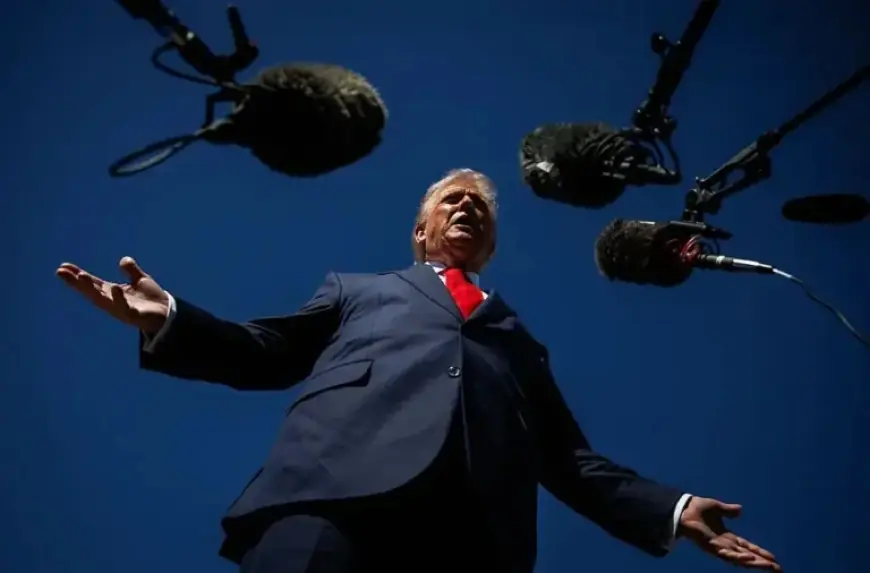
In a recent incident, Trump publicly derided a reporter during a press event on Air Force One, demonstrating his administration’s contentious stance towards the press. Furthermore, the Pentagon’s attempts to control information dissemination have alarmed many in the journalistic community.
The Pentagon’s Press Controversy
This fall, the Pentagon required its press corps to sign an agreement promising not to publish unauthorized information. The majority of reporters refused this mandate, resulting in a loss of access to Pentagon facilities. This action exemplifies the growing tensions between government entities and the media.
Conclusion: Flawed Legal Frameworks
The FBI’s raid on Natanson highlights significant vulnerabilities in the legal protections afforded to journalists. As debates continue about press freedoms, it is evident that the current administration’s approach raises crucial questions about the future of journalism in America.