IMF Warns Trade Tensions Threaten Global Economic Growth

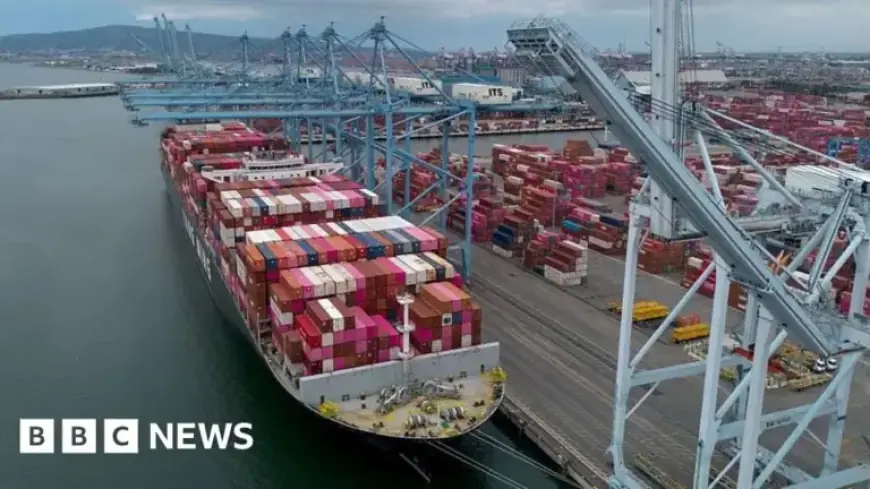
The International Monetary Fund (IMF) has sounded alarms regarding trade tensions and the potential downturn of the artificial intelligence (AI) sector. These factors pose significant risks to global economic growth, according to the IMF’s latest world economic outlook. While the organization labels the global economy as “steady,” it anticipates growth at 3.3% for the year, up from a prior estimate of 3.1%.
Key Economic Indicators and Forecasts
The IMF shared its findings in light of rising trade tensions, particularly following threats from former President Donald Trump to impose tariffs on eight European nations related to his Greenland acquisition proposal. It underscores that the independence of central banks is crucial for maintaining global economic stability.
Global Growth Projections
Key projections from the IMF include:
- 2025 global growth forecast: 3.3%
- Projected decline to 3.2% by 2027.
IMF chief economist Pierre Olivier Gourinchas described the current economic landscape as resilient, remarking that it is overcoming previous trade disruptions. However, he cautioned about the repercussions of Trump’s tariffs, which have contributed to a slowdown in global activity.
Risks to Economic Stability
The IMF expresses concern that the global economic outlook is “tilted to the downside.” Risks identified include:
- Overoptimism regarding AI growth, potentially triggering abrupt market corrections.
- Increased corporate debt for AI investments, presenting vulnerabilities in consumer spending and business investment plans.
- Potential flare-ups in trade tensions, leading to prolonged uncertainty.
- Geopolitical and domestic political tensions disrupting financial markets and supply chains.
Regional Insights: The UK Economy
The IMF estimates that the UK economy grew by 1.4% in 2025, slightly above a previous projection of 1.3%. The forecast remains unchanged for this year at 1.3%. This positions the UK as the third fastest-growing economy in the G7, trailing only the United States and Canada.
- IMF’s growth prediction for the UK in 2027: 1.5%.
- Chancellor Rachel Reeves noted this is the third upgrade since April 2025.
Conversely, Shadow Chancellor Sir Mel Stride described the growth adjustment as trivial, suggesting it reflects a desperate political landscape.
Inflation Trends
The IMF projects global inflation to decrease from an estimated 4.1% in 2025 to 3.8% in 2026, with further declines to 3.4% expected by 2027. In the UK, Gourinchas mentioned that inflation, influenced by regulated industries like transport and energy, will likely revert to the target rate of 2% by year-end.
Centrally Coordinated Financial Stability
Stressing the importance of central banks, the IMF warns that their independence is vital for macroeconomic stability and growth. Without legal and operational independence, central banks risk succumbing to fiscal pressures, which can lead to inflation and increased borrowing costs over time.
| Year | Global Growth (%) | UK Growth (%) | Global Inflation (%) |
|---|---|---|---|
| 2025 | 3.3 | 1.4 | 4.1 |
| 2026 | 3.2 | 1.3 | 3.8 |
| 2027 | – | 1.5 | 3.4 |
With a challenging economic environment ahead, preserving central bank independence will be essential for achieving sustained economic success globally. The IMF remains vigilant about emerging threats that could jeopardize growth and stability.