

























Japan’s PM Dissolves Parliament, Calls Snap Election

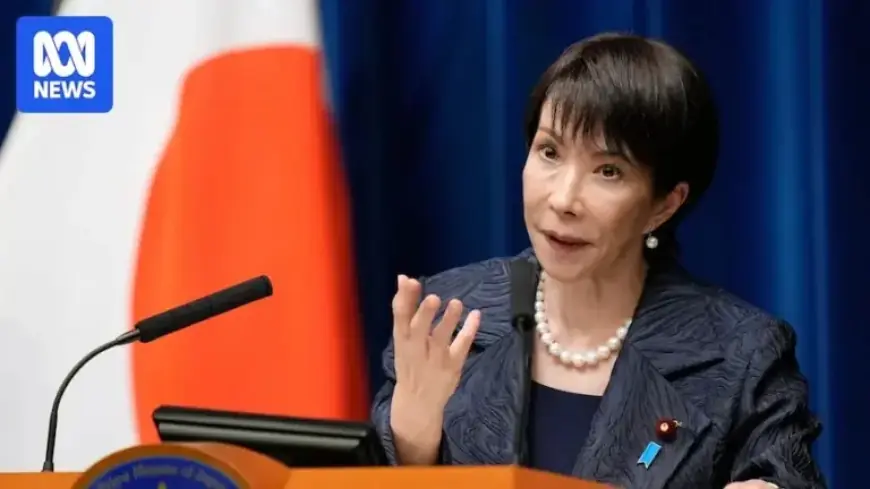
Japan’s Prime Minister Sanae Takaichi made headlines by announcing the dissolution of parliament on Friday. This decision paves the way for a snap election scheduled for February 8. With this election, Takaichi aims to gain public support for increased government spending and an enhanced security strategy focused on defense.
Key Facts About the Upcoming Snap Election
- Date: February 8
- Seats in Contention: All 465 seats in the lower house of parliament
- First Electoral Test: Takaichi’s first since taking office as Japan’s first female prime minister in October 2023
- Public Support: Takaichi is counting on strong polling numbers to solidify her position within the Liberal Democratic Party (LDP)
Economic and Security Concerns
During a recent press conference, Takaichi emphasized her commitment to the election, stating, “I am staking my own political future as prime minister on this election.” One of her top priorities is to address rising living costs, as a recent poll showed that 45% of respondents cited prices as their main concern.
Takaichi’s government plans to temporarily suspend the 8% consumption tax on food for two years. This initiative aims to alleviate financial pressure on households while potentially creating jobs and boosting overall spending. However, this tax relief could decrease government revenue by 5 trillion yen (approximately $47 billion) annually.
Defense Spending Plans
In addition to domestic spending priorities, the Takaichi administration is proposing a significant increase in defense spending. The goal is to raise defense expenditures to 2% of GDP, a notable shift from the previous 1% cap that has been in place for decades. This increase is driven by growing tensions with China regarding Taiwan and contested territories in the East China Sea.
Takaichi noted, “China has conducted military exercises around Taiwan,” highlighting the pressing need for Japan to reassess its defense strategies. Under pressures from the US and regional instability, her administration’s defense budget policies may shift even further.
The Political Landscape
Takaichi’s ruling coalition, which includes the Japan Innovation Party (JIP), has a fragile majority in the lower house. This could pose challenges for her policy agenda, especially regarding fiscal spending and defense initiatives. Despite high approval ratings, she faces strong opposition from rival parties that are uniting against her.
Analysts believe that this snap election could serve as an opportunity for Takaichi to solidify her leadership and break the ongoing deadlock in Japan’s foreign relations, particularly with China. Jeffrey Hall, a lecturer in Japanese studies, remarked that “now may be the best chance she has at taking advantage of this extraordinary popularity.”
As the election date approaches, Takaichi’s administration will continue to navigate complex economic and geopolitical challenges while seeking voter support for her ambitious agenda.