
























Usda Snap Purchase Restrictions Expand as Ohio Targets Soda and Four More States Gain Waivers

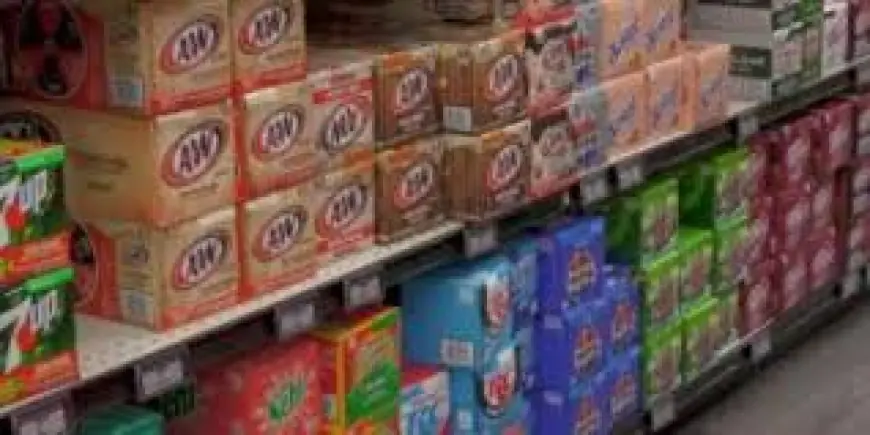
Usda Snap Purchase Restrictions are moving forward on multiple fronts: Ohio has been granted authority to exclude pop and soda purchases from SNAP, and the department has approved waivers for four additional states that focus on sugary drinks. These developments change what can be purchased with benefits in affected states and signal parallel changes to retailer inventory rules tied to SNAP acceptance.
Usda Snap Purchase Restrictions: Ohio's new soda limits
The Ohio Department of Job and Family Services secured permission to exclude pop and soda purchases for SNAP recipients after making a formal request that was approved by the U. S. Department of Agriculture. The request followed recommendations delivered to the governor in June of 2025. The state says the change is intended to promote healthier choices and better health outcomes for people receiving food assistance.
The restriction will take effect Oct. 1, 2026. It covers drinks that list sugar, corn syrup, high-fructose corn syrup, or similar caloric sweeteners as the primary ingredient, and also those where such a sweetener is the second ingredient when the first ingredient is carbonated water. State leadership framed the waiver as a step toward encouraging healthier purchases among SNAP participants.
USDA approves SNAP waivers for 4 more states and tightens retailer standards
The department has also approved waivers for four additional states that target sugary drinks, expanding a broader policy trend that allows states to exclude items such as candy, soda and energy drinks from SNAP eligibility. Earlier actions in other states established similar exclusions, and nearly two dozen states have obtained approvals since the initial waiver pathway began. One previously approved waiver from Nebraska was noted as having gone into effect in January after being granted in May.
Items barred under state waivers vary, with some new approvals focused solely on sugary beverages while others also restrict candy. Kansas and Nevada were identified among states that are limiting candy eligibility under their waivers. The newly approved waivers further diversify how SNAP is implemented at the state level, creating different purchasing rules depending on where recipients live.
Alongside the waivers, the department indicated a forthcoming rule will raise minimum inventory requirements for retailers that want to accept SNAP benefits. The rule’s stated aim is to ensure retailers meet a higher minimum standard of staple food stocking requirements, potentially increasing the variety of items classified as staple foods that must be carried by participating retailers.
Some advocacy groups noted that the proposed stocking standard did not include explicit nutrition criteria for foods that count toward the new minimums and urged the department to add nutrition standards to avoid a situation in which a wider variety of unhealthy, ultra-processed foods could satisfy stocking obligations. The department has maintained that updated retailer standards will provide families with more healthful choices no matter where they shop.
What this means and what to watch next
States now have clearer authority to tailor SNAP eligibility for specific product categories, particularly sugary drinks and candy, and Ohio’s forthcoming restriction sets a firm start date for that state. The combination of state waivers and an impending rule on retailer stocking standards will change both what benefits can buy in some states and what stores must stock to participate in the program.
Details may continue to evolve as additional waivers are approved and the department finalizes the retailer inventory rule. Stakeholders and recipients in affected states should watch implementation timelines and state guidance closely, since eligible purchases and retailer participation could differ by state once changes take effect.