Roger Ebert Walked Out of This Oscar-Winning War Film in Disgust

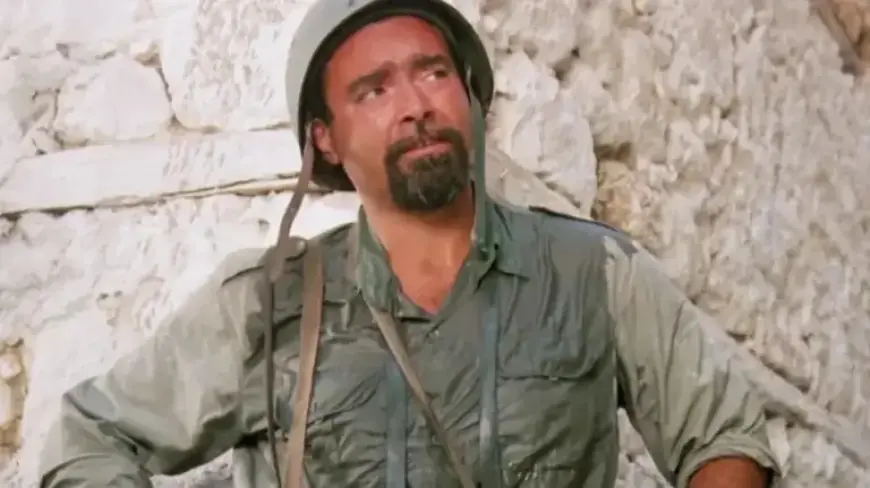
Roger Ebert, renowned film critic, is known for his insightful and passionate reviews of cinema. However, there was one film that truly repulsed him: the 1991 Italian war comedy-drama “Mediterraneo.” Ebert famously claimed it was the only film he ever walked out of during his extensive career. Directed by Gabriele Salvatores and written by Enzo Monteleone, “Mediterraneo” is set during World War II and portrays a group of Italian soldiers on the Greek island of Megísti.
Plot Overview of “Mediterraneo”
The soldiers are originally sent to Megísti as lookouts. After an attack from Allied forces, they find themselves stranded, believing the island to be deserted. Soon, they realize the island’s inhabitants were merely hiding. As the narrative unfolds, the soldiers integrate into the local community, and romantic connections develop, overshadowing the harsh realities of war.
Awards and Reception
“Mediterraneo” won the Academy Award for Best Foreign Language Film in 1992. It became significant at the U.S. box office as well, grossing $4.55 million, making it the highest-grossing foreign language film in the country that year. Despite this success, Ebert was not impressed. He described the film as “utterly without redeeming merit,” emphasizing his deep discontent.
Roger Ebert’s Response
In a 1996 interview with Entertainment Weekly, Ebert was asked if he had ever walked out of a movie. He responded that he had seen every film he attended—except for “Mediterraneo.” His disdain for the film was evident as he stated, “It won the Academy Award for best foreign film, but it’s utterly without redeeming merit. None.”
Contrasting Opinions
While Ebert was very negative about “Mediterraneo,” it had its supporters. In his review of a later film by the same director, “I’m Not Scared” (2003), Ebert provided a more favorable assessment, though he refrained from discussing “Mediterraneo.” This could indicate a complex relationship with Salvatores’ work, contrasting the strong negative emotion Ebert felt toward the earlier film.
Additional Insights
Interestingly, Ebert had walked out of several films throughout his career, including titles like “The Statue” (1971) and “Caligula” (1980). However, “Mediterraneo” remained unique in his memory and comments. It stands out as a stark example of how a single film can evoke powerful reactions, even from seasoned critics.
Conclusion
Roger Ebert’s experience with “Mediterraneo” highlights the subjective nature of film appreciation. While it won prestigious awards and made significant box office achievements, it fell flat for one of cinema’s most respected critics. The contrast between Ebert’s harsh criticism and the film’s success marks an intriguing chapter in film history, worth examining for cinephiles.