









Stevie Wonder’s “Happy Birthday” Song Pushed MLK Day to Recognition

January 19, 2026, will mark the 40th anniversary of Martin Luther King, Jr. Day as a federal holiday. This significant occasion is observed on the third Monday of January each year, honoring King’s birthday on January 15. The federal holiday was established in 1986 after extensive advocacy from various groups, including politicians, celebrities, and the public.
Stevie Wonder’s Influence in Establishing MLK Day
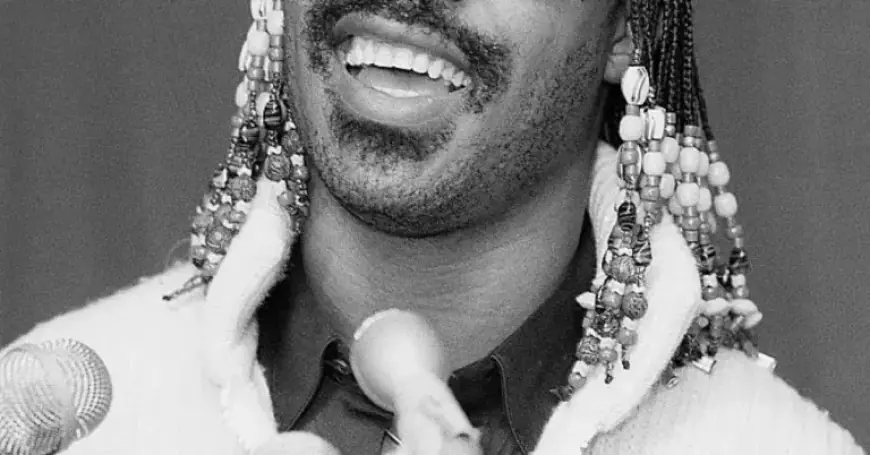
A pivotal figure in the campaign for MLK Day was the renowned R&B artist Stevie Wonder. His dedication to the cause included testifying before Congress, organizing rallies, and composing the song “Happy Birthday.” This song specifically called for a national celebration of King’s legacy.
Early Efforts and Vision
Following King’s assassination on April 4, 1968, efforts to declare a federal holiday began but faced numerous hurdles. In 1979, a bill introduced by Representative John Conyers of Michigan did not progress. During this time, Wonder reached out to Coretta Scott King, King’s widow, and proposed the idea of a song to support their cause.
Wonder recalled his conversation with Coretta, expressing confidence about the potential for change. In 1980, he recorded “Happy Birthday,” using lyrics to highlight the need for a day to honor King’s contributions. He criticized anyone who took offense at celebrating King’s legacy.
Rallies and Congressional Support
On January 15, 1981, a historic march took place in Washington, D.C., where over 15,000 individuals marched from the Capitol to the Washington Monument. Participants carried signs promoting the idea of recognizing King’s day as a celebration. Wonder performed during this event, singing both “We Shall Overcome” and “Happy Birthday.”
Following further rally efforts by Wonder in 1982 and 1983, a bill gained traction in Congress. However, it faced opposition, particularly from Senator Jesse Helms (R-NC), who questioned dedicating a holiday to a controversial figure. Despite this, with the support of activists like Coretta Scott King and the Congressional Black Caucus, the bill finally passed.
Signing of the Bill
On November 2, 1983, President Ronald Reagan signed the bill into law, establishing Martin Luther King, Jr. Day as a federal holiday, effective January 20, 1986. This significant moment was partly motivated by the upcoming 1984 presidential election, aiming to gain support from moderate voters.
The Meaning of the Holiday
In interviews following the establishment of the holiday, Wonder emphasized the importance of reflecting on the values that King represented. He believed the day was a reminder of societal responsibility and progress toward unity. His intention with “Happy Birthday” was to rekindle King’s dream and to motivate listeners to remember his fight for equality.
- MLK Day is observed on the third Monday in January.
- The holiday honors Martin Luther King, Jr.’s birthday, January 15.
- Stevie Wonder played a crucial role in the establishment of the holiday.
- “Happy Birthday” became an anthem for the campaign.
- The holiday was signed into law by Ronald Reagan on November 2, 1983.
Wonder’s hope is that Martin Luther King, Jr. Day is recognized by all, transcending politics and promoting unity among diverse communities. His vision continues to resonate with people from all racial and ethnic backgrounds, reinforcing the idea that this day belongs to everyone.